
FAQs
Straight answers to the questions we get asked most
Plastering, ceilings, cold walls and condensation — the things homeowners actually ring us about. If your question isn't here, send it through the quote form.
General
Working with us
Do you charge for a quote?+
No. Quotes are free and there's no pressure afterwards. For a lot of jobs we can give a good idea of cost from a few photos and your postcode sent through the quote form.
How soon can you start?+
It depends on the size of the job and the time of year. We'll be honest with you about lead times when we quote rather than promising a date we can't keep.
How much mess is there?+
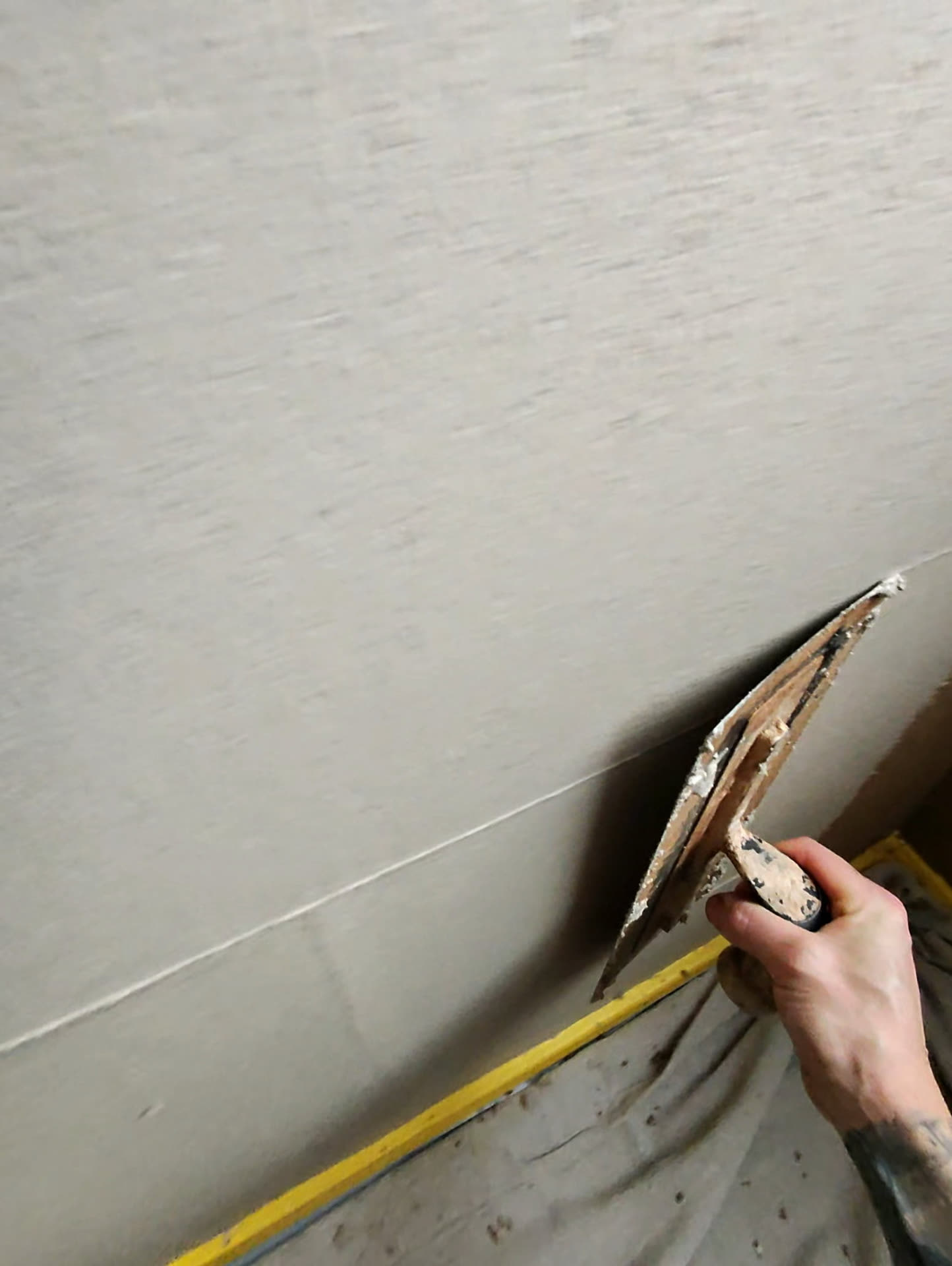
Plastering is wet work, so there is some. We sheet up floors and furniture, keep doors closed, and take our waste away with us. Rooms are left swept.
Do I need to move out?+
Almost never. We usually work room by room so you can carry on living in the house.
Do you give a fixed price?+
Yes — a written quote before the work starts. Send photos first and we'll tell you whether we can price from them or whether Dan needs to see the job. If something genuinely unexpected turns up behind a wall we'll stop and talk to you about it rather than adding it to the bill.
How long before I can decorate new plaster?+
Usually a few days to a couple of weeks, depending on the thickness, the weather and how well the room is ventilated. Wait until the whole surface has gone an even pale colour, then use a mist coat first.
Can you cover an Artex ceiling without removing it?+
Yes. We normally overboard the ceiling and skim it, which leaves the original texture undisturbed above the new board — the safest option if the Artex may contain asbestos.
Can you patch just one area rather than a whole wall?+
Often yes. Patch repairs can be blended in well, though on badly damaged or very uneven walls a full skim gives a much better finish.
Do you do lime and breathable plastering?+
Yes, on older solid-walled properties where a lime-compatible finish is the right choice. We look at the background first — a breathable finish isn't automatically right for every old house.
How much room will internal wall insulation take up?+
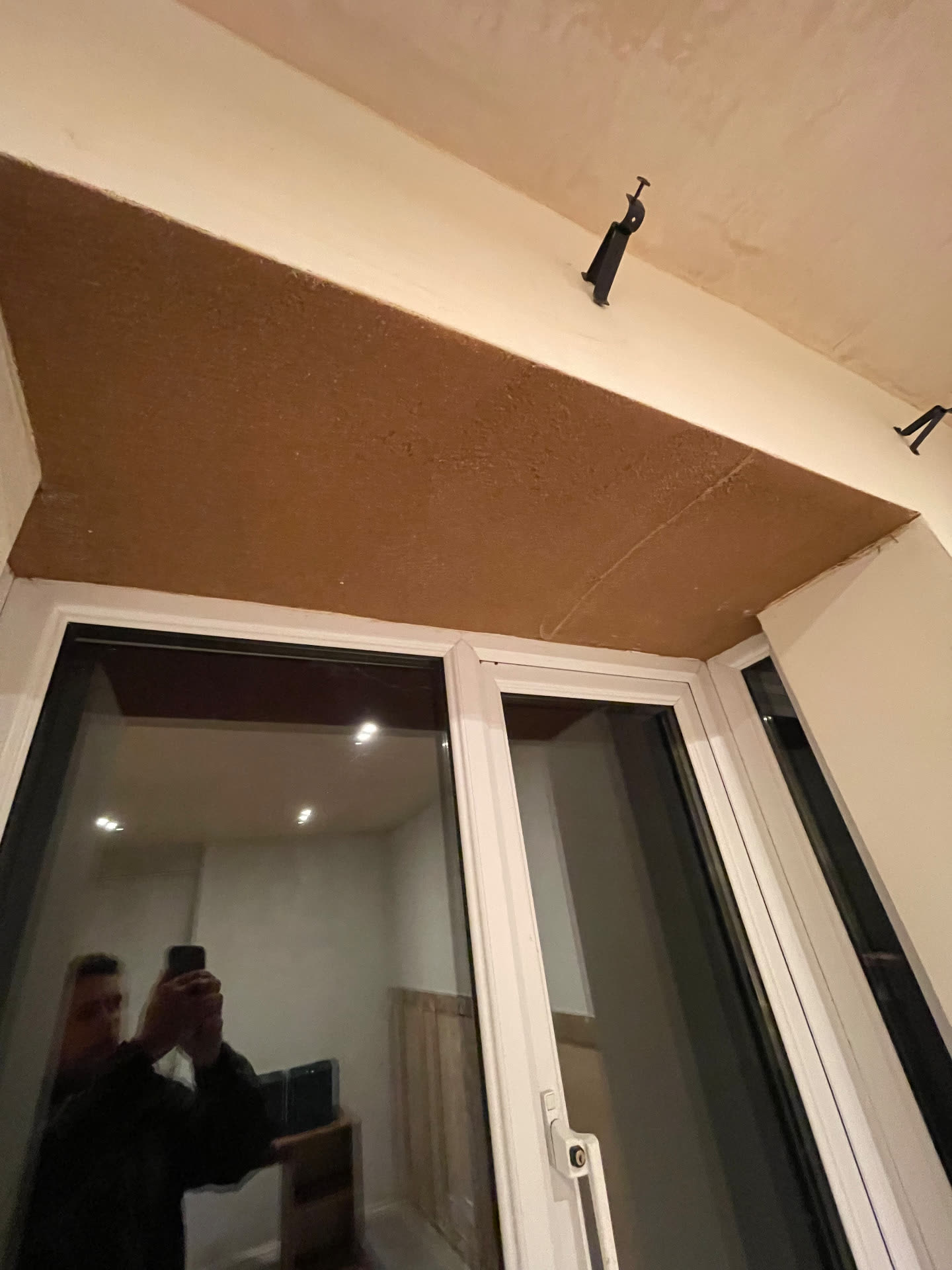
It depends on the system. Thin cork or insulating systems lose very little depth; insulated plasterboard takes more but gives more thermal improvement. We'll agree the thickness with you before we start.
Will insulation stop my condensation and mould?+
It changes the conditions, because condensation forms on cold surfaces and insulating makes the internal surface warmer than the bare wall was. It isn't a guarantee — heating and ventilation still matter, and any leak or genuine damp source has to be sorted first.
Is cork suitable for an older solid-wall house?+
Often, yes. Cork is breathable, which suits older solid walls that need to let moisture move. We'll look at your specific wall before recommending anything.
Do you insulate cold bay windows?+
Yes, where the depth around the reveals and cills allows it and the windows can still operate properly. Bays are one of the most common cold spots we're called out to.
Can you do the insulation and the plastering?+
Yes — that's the point of doing both trades. Nothing gets passed between contractors and one person is accountable for the finished wall.
Still not sure?
Ask us about your specific wall
General answers only go so far. Send photos of the wall or ceiling with your postcode and you'll get an answer about your job rather than a job like it.
Request a quote
Need a plasterer, or help with a cold wall?
Tell us about the work and upload a few photos through the quote form — it takes a couple of minutes and gets you a proper answer.