
AeroCork specialists
Cork Insulation in Bath
A thin, breathable internal insulation system for solid walls and rooms where a thicker insulated plasterboard build-up may not be suitable. Applied and plastered by one local team.
Why homeowners consider it
Cork Wall Insulation for Bath Homes
Cork usually comes up in three situations: the wall is solid and cold and the room never feels right, the room is too small to give up the depth a thick insulated board needs, or the house is old enough that sealing the wall with a dense, impermeable build-up isn't the sensible thing to do.
It's applied as a coating rather than fixed as a rigid board, so it can follow an uneven wall and be carried into reveals and around details a flat board can't handle neatly.
Filmed on site
See How We Apply Cork Insulation
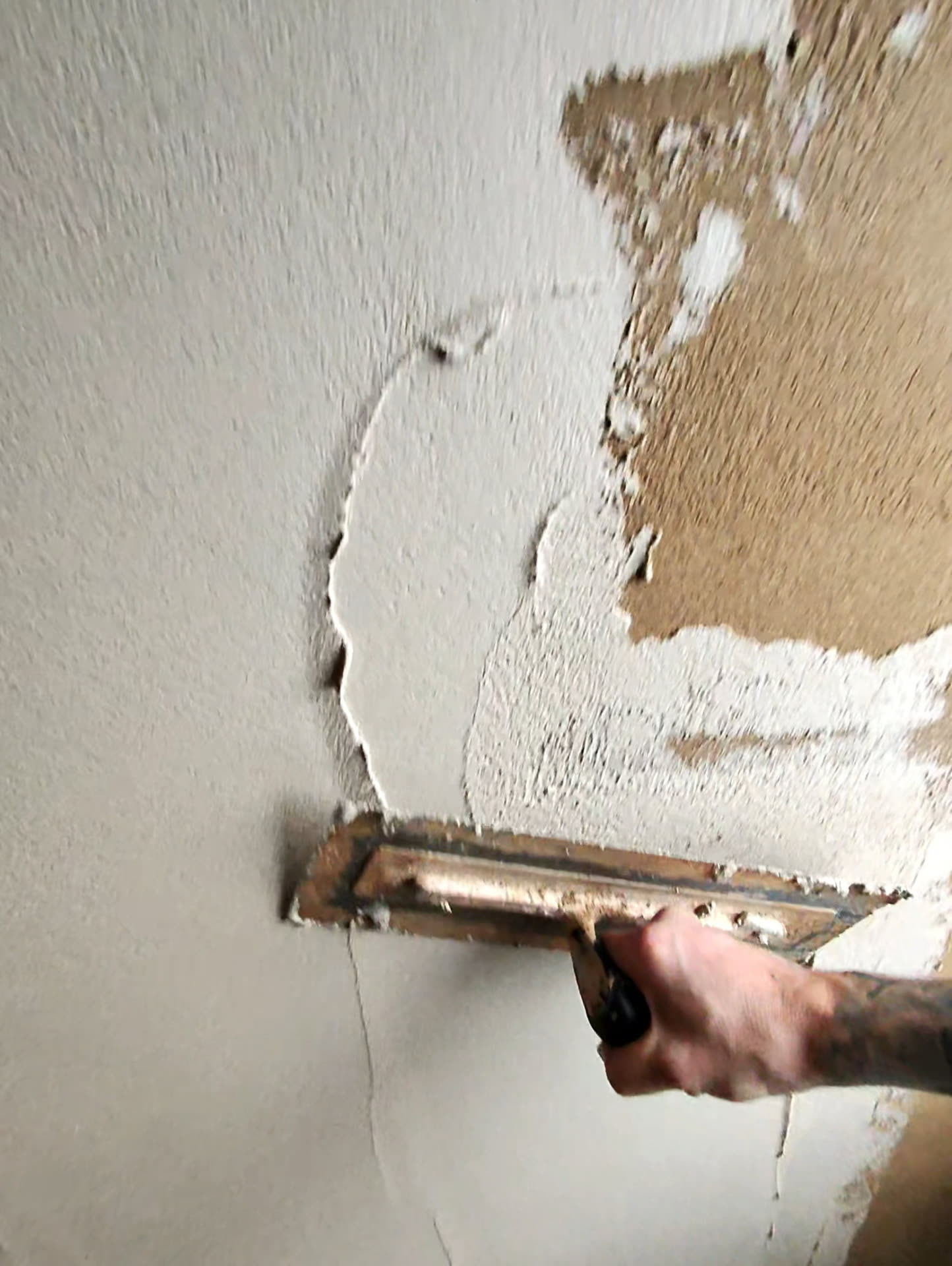
Rather than just telling you how our internal cork insulation is installed, here's a look at Dan applying it on a real DSB project.
The cork is trowel-applied directly to the prepared wall as part of our internal insulation system before the final finishing stages.
For homeowners dealing with cold external walls, condensation or uncomfortable rooms, this gives you a better idea of what the installation actually involves.
Dan applying internal cork insulation on a recent DSB project.
Got a cold wall in your home?
If you're dealing with a cold external wall, condensation or a room that's difficult to keep warm, send us a few photos and tell us what you're experiencing. We can advise whether cork insulation or another internal wall insulation option may be suitable.
Send Photos & Get Advice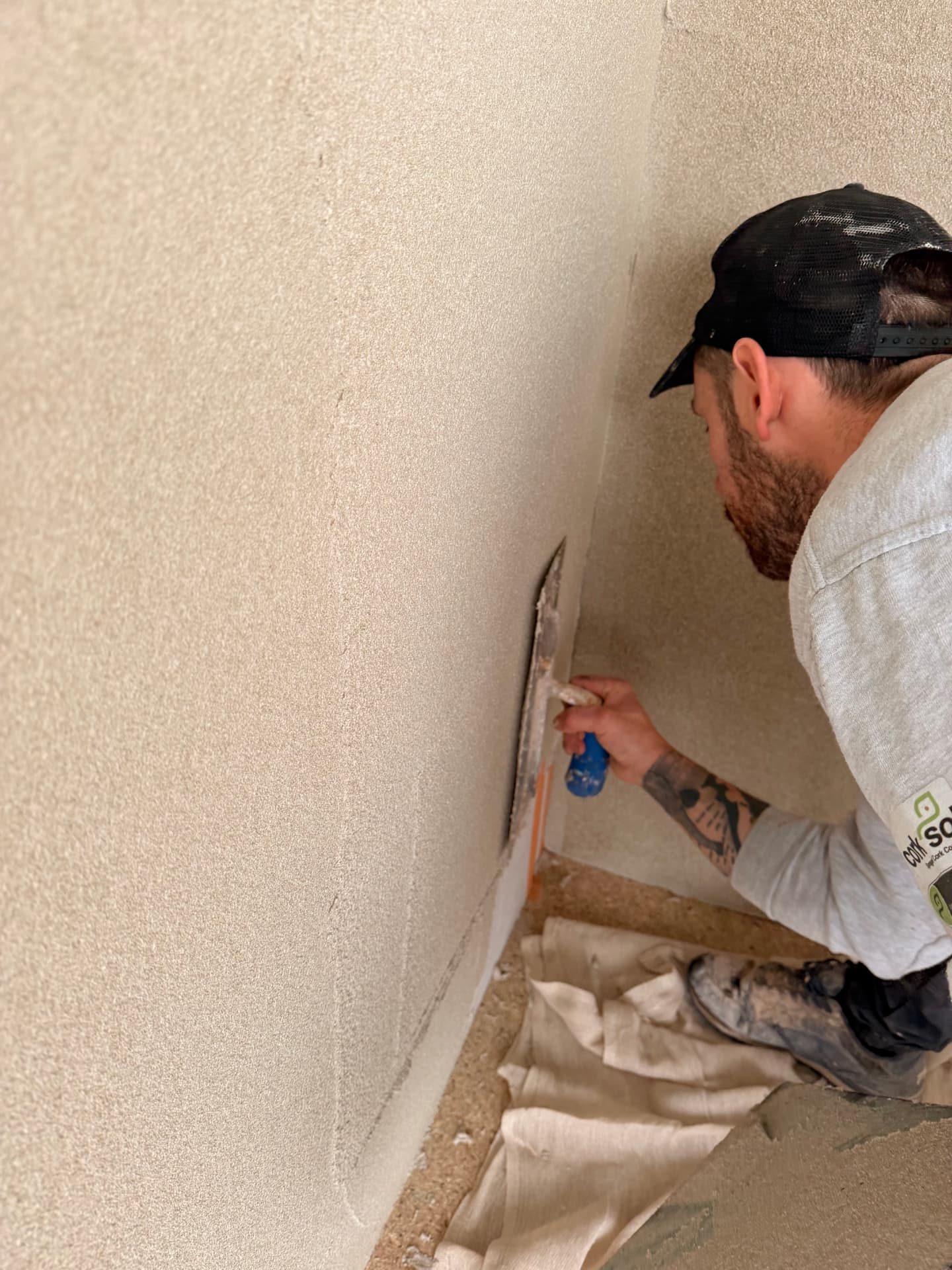
The material
AeroCork Insulation and Plaster Finish
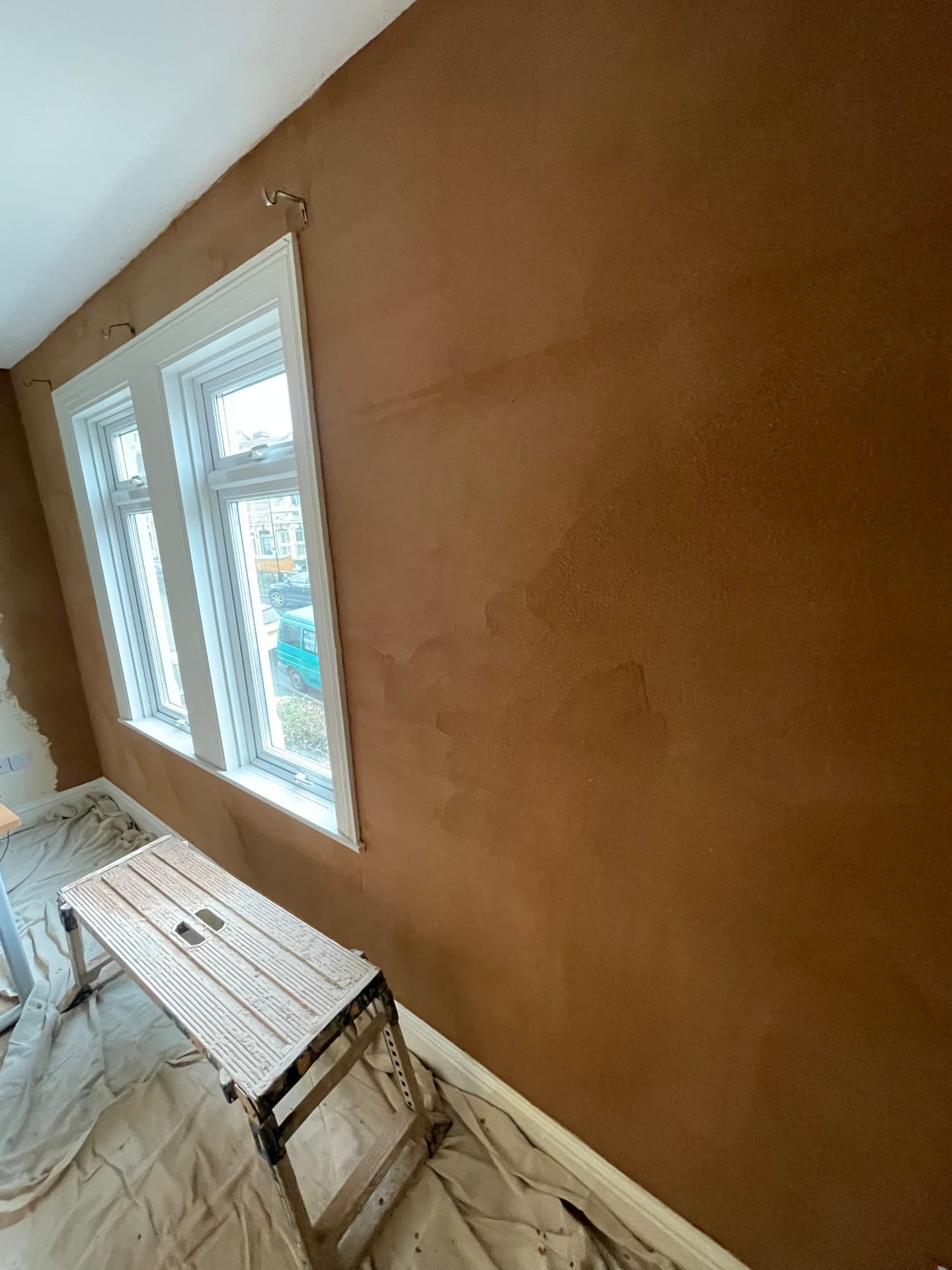
The system we use is AeroCork — a cork-based insulating coating trowelled onto the prepared wall in coats and then plastered over to a smooth finish. Once it's decorated it simply looks like a normal wall.
Because it's thin and breathable it suits the solid stone and brick walls you find throughout Bath. Manufacturer performance figures provide a useful reference, although the appropriate thickness and complete system specification depend on the wall. We confirm the proposed build-up after assessing the property.
Want to understand the material first? Read our guide to how AeroCork insulation helps cold internal walls.
AeroCork · Internal wall insulation
Why Choose AeroCork Internal Wall Insulation?
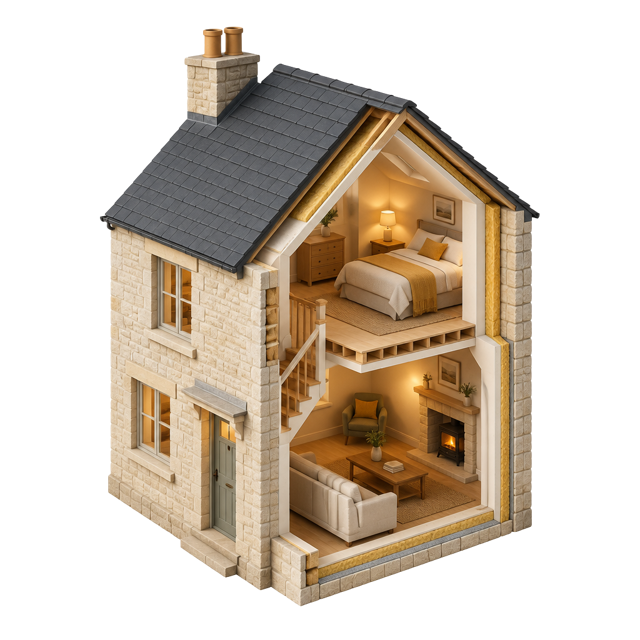
Warmer Walls
Helps raise the internal surface temperature of cold external walls.
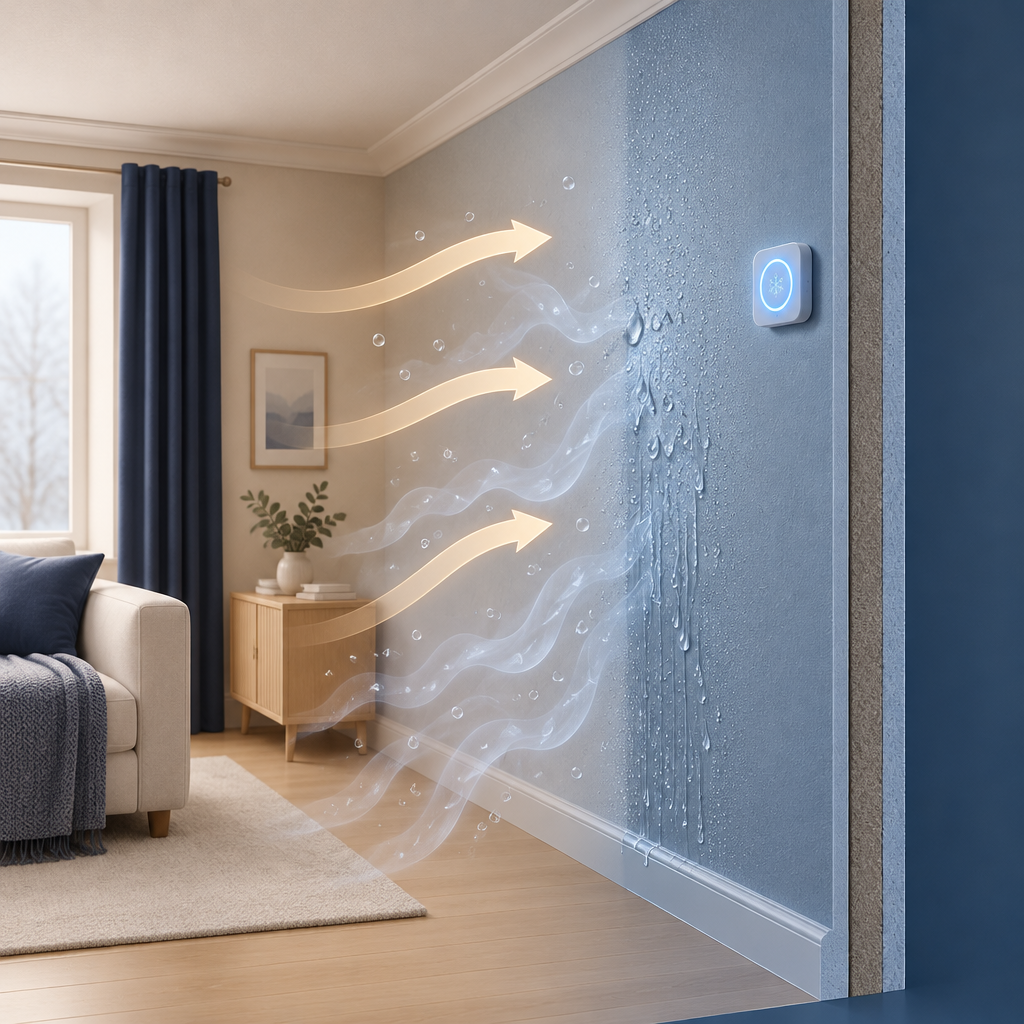
Less Surface Condensation
Can help reduce the risk of surface condensation where cold walls are the cause. Heating, ventilation and moisture sources still matter.
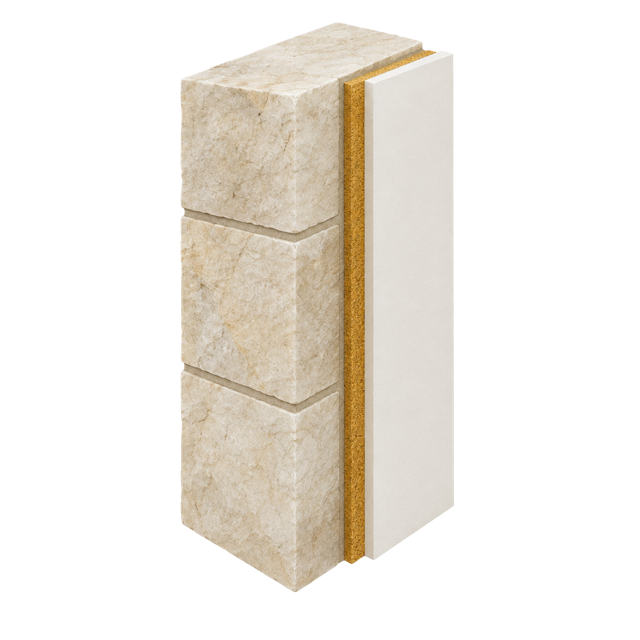
Minimal Space Loss
A thin build-up compared with thicker insulated boards, keeping more of the room’s usable space.
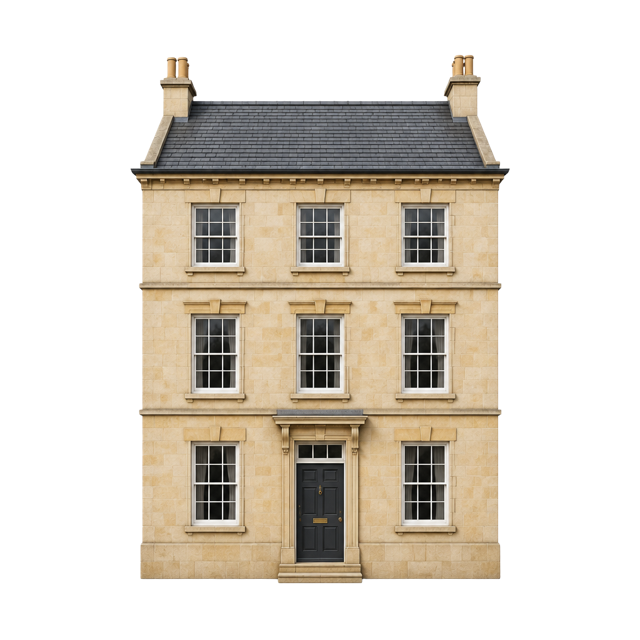
Suitable for Some Older Homes
An option for some older walls, subject to assessment of the wall and an appropriate moisture design.
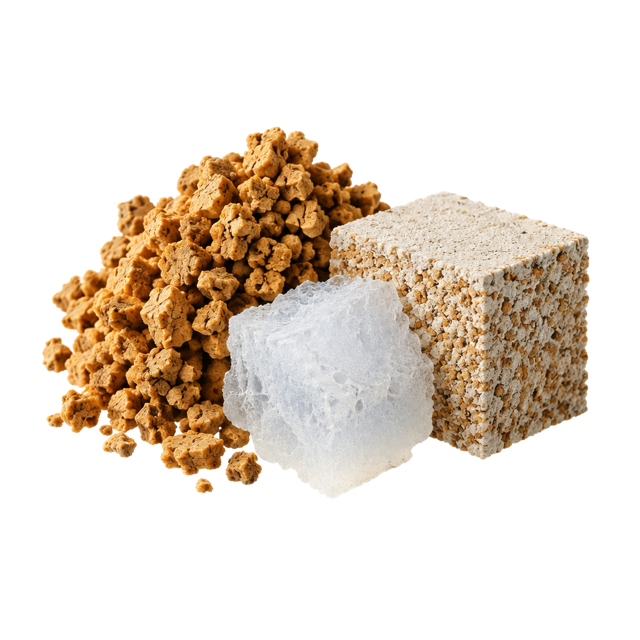
Cork & Aerogel
A specialist insulating plaster combining cork and aerogel, specified to suit the wall.
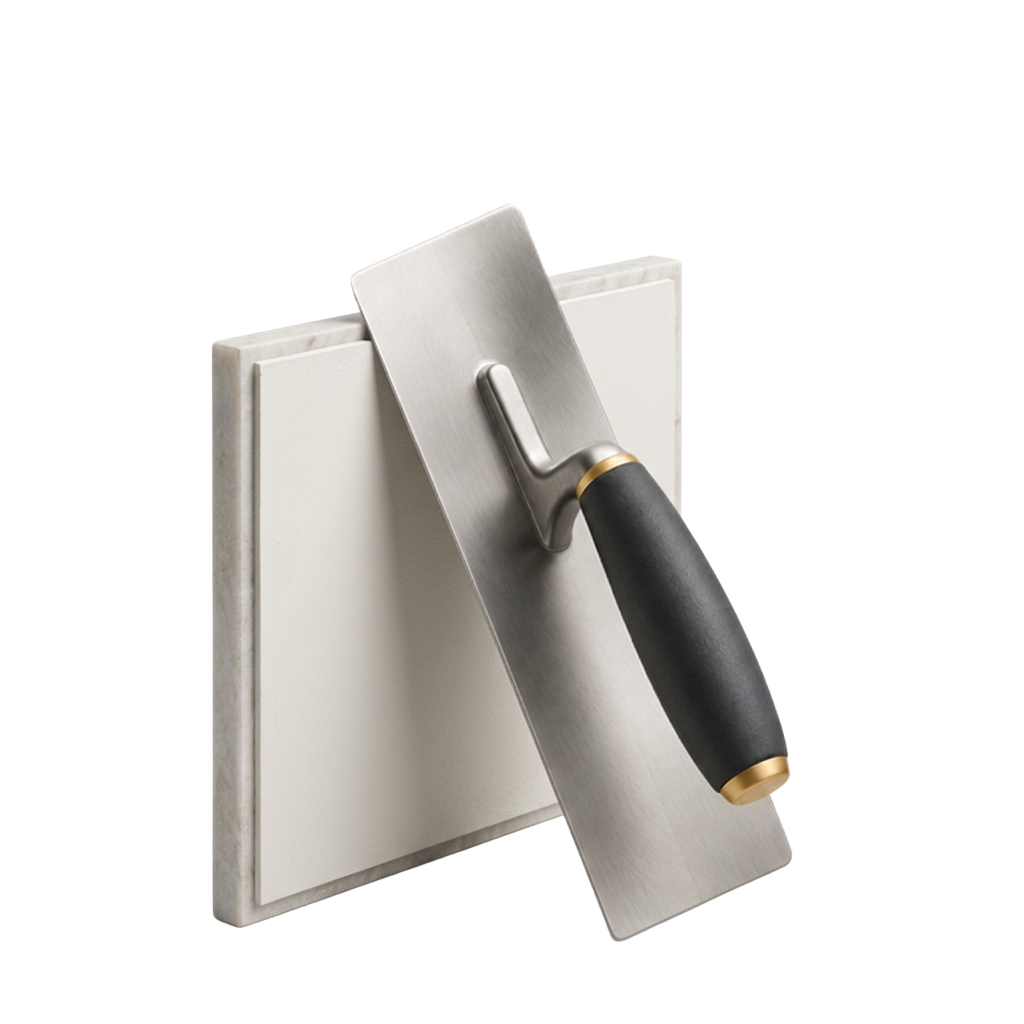
Installed & Plaster-Finished by DSB
One team applies the insulation and plaster finish, leaving the wall ready to decorate.
A real Bath job
AeroCork internal insulation in Bath
A genuine DSB job from a cold, mould-prone room through to a finished wall ready to decorate.
Cold Wall Assessment
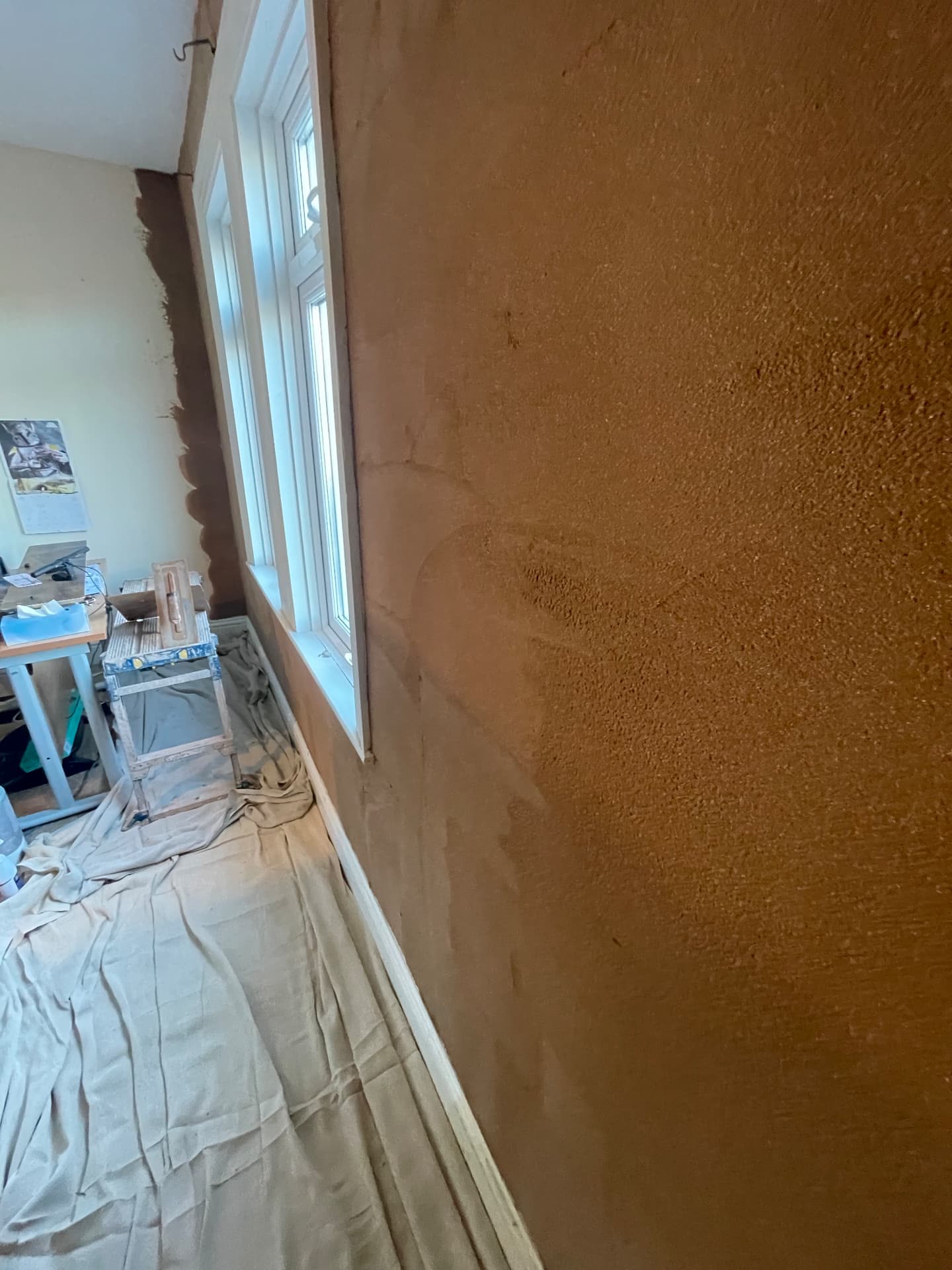
The walls in this home felt cold to the touch and mould was developing through the winter months, including around the window reveal.
AeroCork Application and Window Reveals
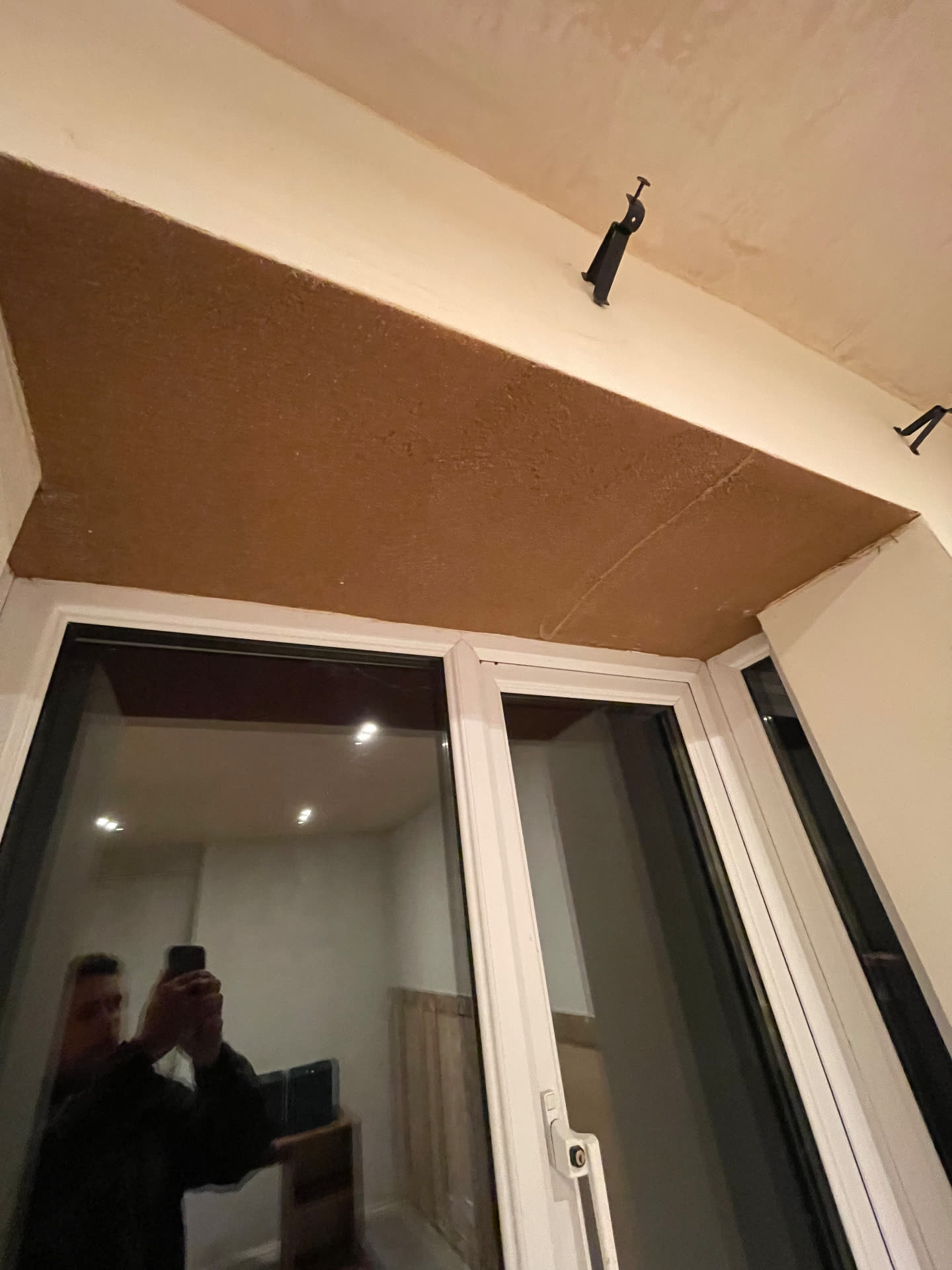
We prepared the walls, applied AeroCork insulation in coats and carried it across the window head and reveal — see the close-up below — rather than stopping short and leaving the coldest part of the wall untreated.
Plastered Finish Ready to Decorate
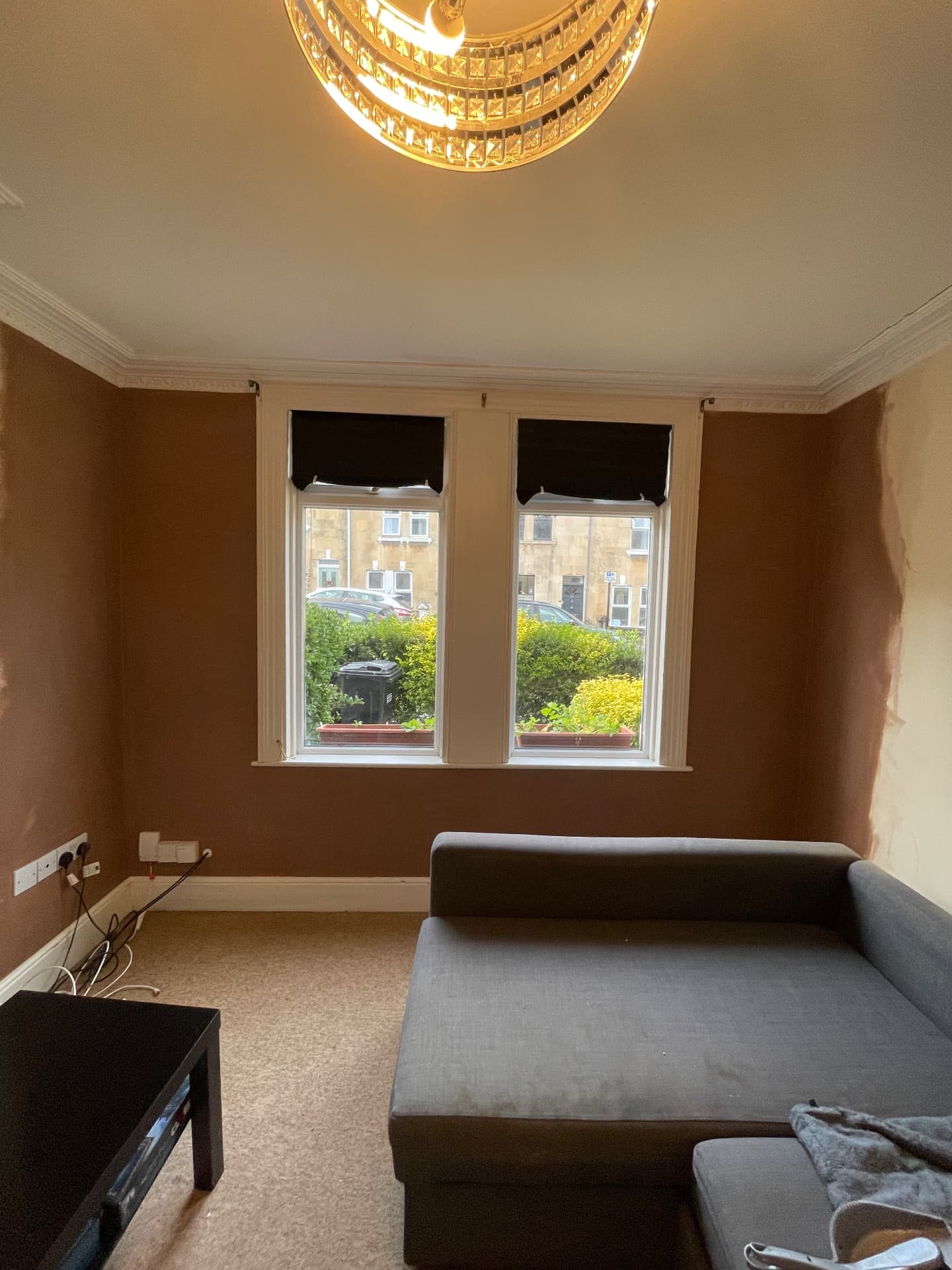
Plastered to a smooth finish and handed back ready for decorating. Insulating the inside face makes the wall surface warmer than the bare wall was, which reduces the conditions that encourage surface condensation — ventilation and heating still matter.
Exterior work · Frome
Spray cork over cracked exterior render
Exterior spray cork is a different service from the internal AeroCork insulation described above. See a genuine Frome project where DSB assessed and prepared cracked render before applying a textured exterior cork finish.
View the Frome spray cork project →Cork or insulated board?
Cork vs insulated plasterboard
Neither is automatically the right answer — it depends on the wall and how much depth you can give up. Here's how they honestly compare.
| Cork-based system | Insulated plasterboard | |
|---|---|---|
| Depth given up | Thin — keeps more of the room | More — takes floor area off the room |
| Breathability | Breathable, suits older solid walls | Can be less suited to walls that need to breathe |
| Uneven walls & reveals | Follows the wall, carries into reveals and bays | Flat boards can be harder to fit neatly around details |
| Thermal improvement | More modest, given the thinner build-up | Greater, given the extra depth |
| Finish | Plastered smooth, ready to decorate | Plastered smooth, ready to decorate |
- Cork: thin, breathable, follows uneven walls and details
- Insulated board: more depth given up, more thermal improvement
- Either way, plastered and finished ready to decorate
More on the alternatives, including targeting one wall: internal wall insulation. Cold bay? Cork's thin build-up suits awkward bay-window shapes — see bay window insulation.
Reviews
What our customers say
Reviews from homeowners around Bath, pulled live from our Google Business Profile, alongside video testimonials filmed after real jobs.
Questions
Cork insulation questions
What is cork insulation?+
It's a natural, breathable insulating layer applied to the inside face of a wall and then finished so it can be decorated like any other plastered surface. It's thinner than insulated plasterboard, so you keep more of the room.
Is it suitable for old solid walls?+
It's often a good match, because it's breathable rather than sealing moisture into the wall. We always look at the specific wall and its background before recommending it.
Can I decorate over it?+
Yes. Once it's finished and cured you decorate as normal — we'll advise on breathable paints so the surface isn't sealed up again.
Will it stop mould?+
A warmer internal surface reduces the conditions that encourage surface condensation. It isn't a guarantee. Ventilation, heating and any genuine damp source still have to be dealt with.
Can it go around window reveals and bays?+
Yes — because it's thin it can be carried into reveals, heads and bays where a thick board build-up would foul the window.
Request a quote
Get a Cork Insulation Quote
Send a few photos of the wall and reveals with your postcode and we'll give you a straight answer on whether Dan needs to see it before quoting.