
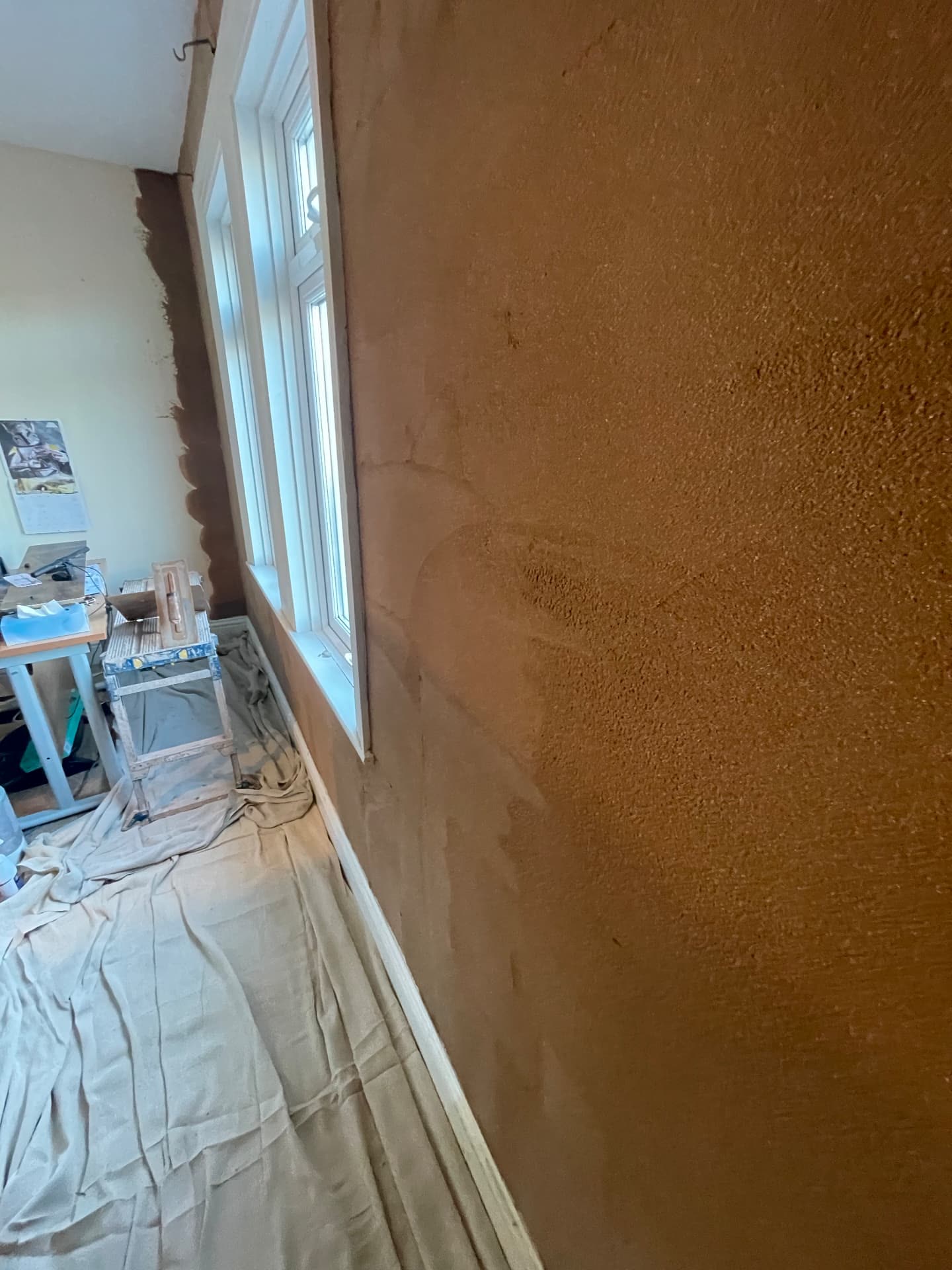
Internal wall insulation
Internal Wall Insulation in Bath
Internal insulation for solid walls, cold external walls, bay windows and reveals, using insulated plasterboard or a thinner cork-based system where appropriate.
PIR plasterboard
Insulated Plasterboard: Warmth and Finish in One Board
Rigid PIR insulation bonded to plasterboard gives a solid thermal upgrade and a finished wall surface in a single build-up.
- ✓Better thermal performance for its thickness than basic insulation board.
- ✓Warms the internal wall surface, which helps reduce the conditions that encourage condensation.
- ✓Skimmed and left ready to decorate — no separate plastering trade needed.
- ✓Installed and finished by DSB as one job, so nothing is passed between contractors.
It does take more depth off the room than a thin cork system, so we measure up and show you the trade-off before you decide.
Sound familiar?
Insulation for Solid Walls, Bays and Reveals
- One room that never really warms up, however long the heating is on
- An external wall that's cold to the touch, especially low down
- Black spotting in the corners or behind furniture each winter
- Windows running with water first thing on cold mornings
- A bay window or chimney breast that feels colder than the rest of the room
- Reveals around windows staying damp or marked when the rest of the wall is fine
Older homes around Bath are often built from solid stone or brick with no cavity, so the inside face of the wall sits cold and moisture in the air condenses on it. Heating and ventilation play a part too, which is why we look at the room as well as the wall.
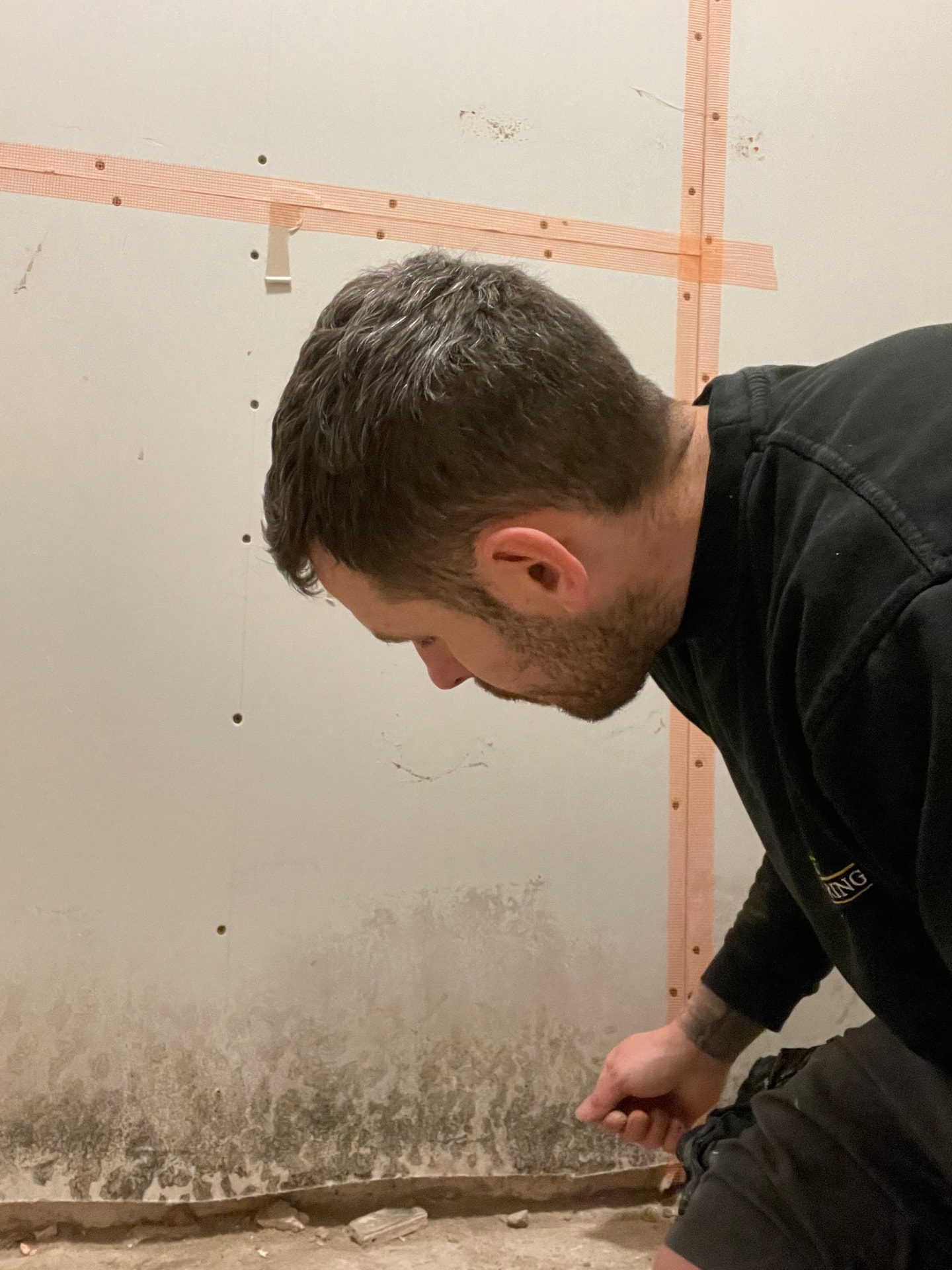
The options
Internal Wall Insulation Systems
There isn't one right answer. What we recommend depends on the wall, how much depth you can give up, and whether the build-up needs to stay breathable.
Insulated plasterboard
A rigid, faced board fixed to the wall. Best suited to rooms where you can afford to give up more depth and want the strongest thermal improvement from the build-up. It takes more room off the floor area, and sockets, skirtings and reveals all need reworking around it.
Thin cork-based insulation
A breathable coating trowelled onto the wall and plastered over — see cork insulation or a recent cork job in Bath. It suits solid and older walls where breathability matters and rooms where losing depth isn't acceptable. Being thinner, the improvement is more modest than a thick board build-up.
A targeted bay, reveal or problem wall
Rather than insulating a whole room, we often treat just the wall, bay or window reveal that's actually causing the problem. It only changes the section you treat, but for a home with one obvious cold spot rather than a house that's cold throughout, that's usually the sensible and proportionate answer.
We don't publish U-values or temperature figures for your wall, because they depend on the actual build-up in front of us. Read more about cold walls and condensation.
A slim insulation option
ISO-THERM Thin Internal Wall Insulation
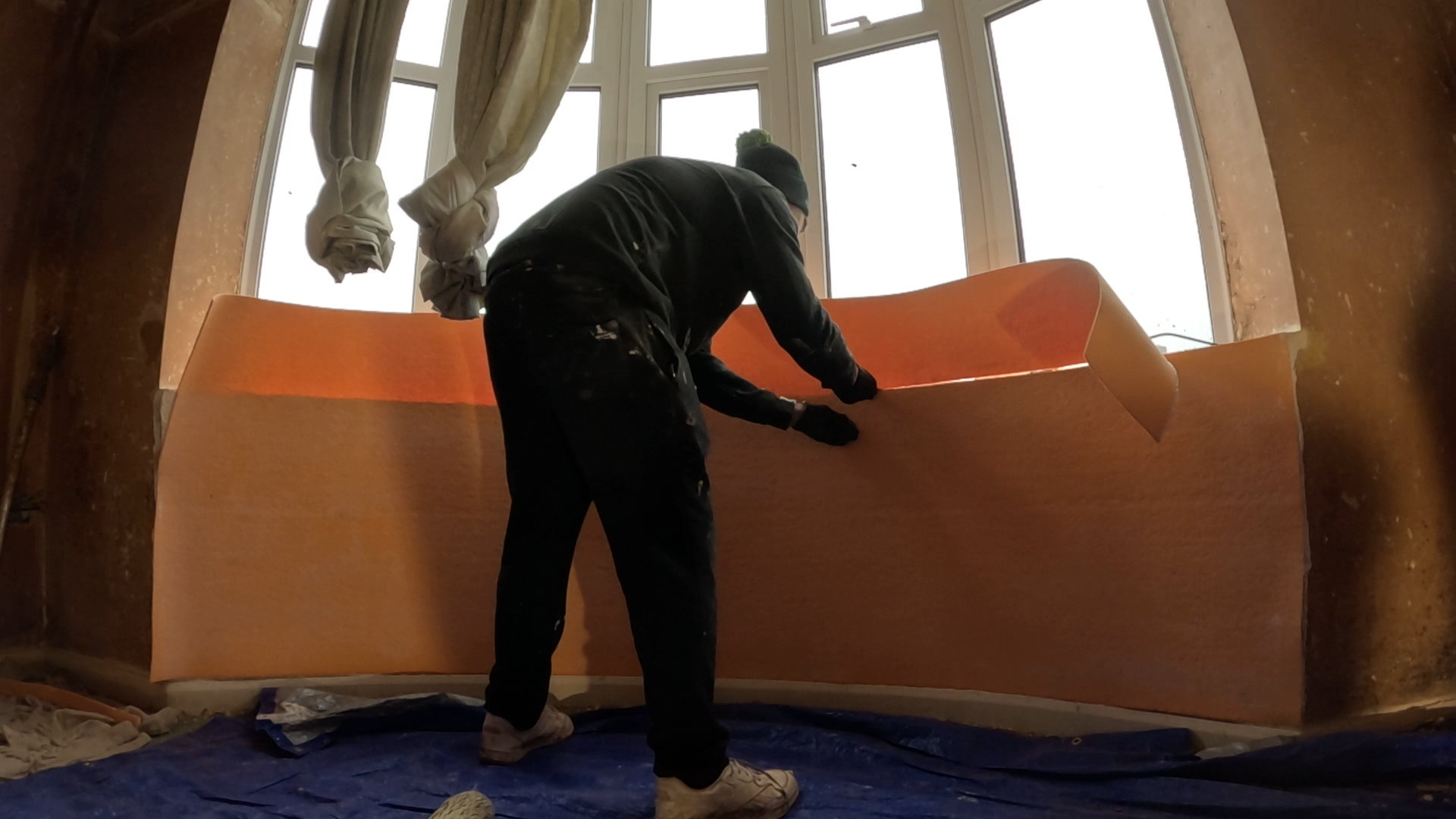
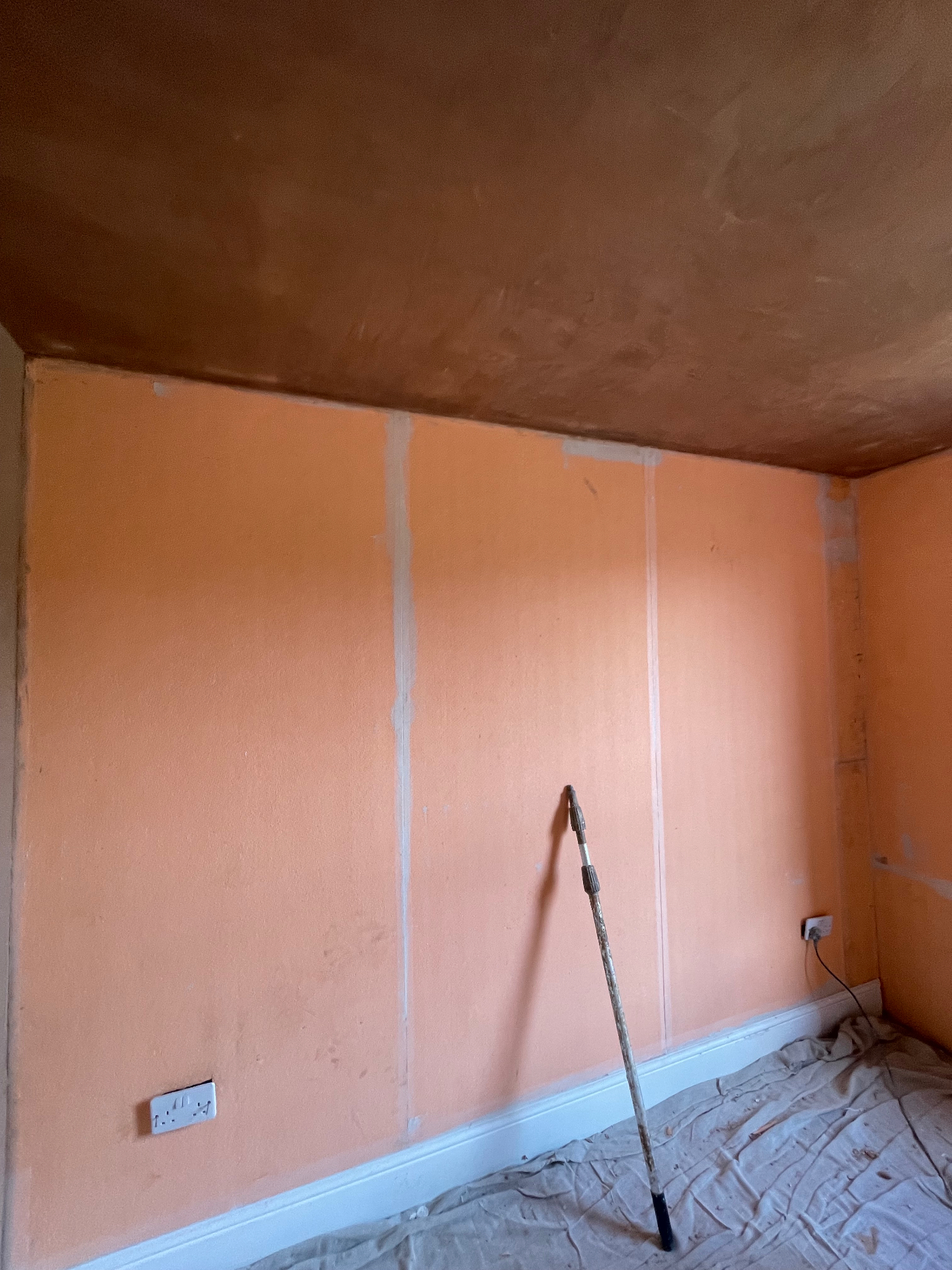
ISO-THERM provides a slim internal insulation option for cold walls where retaining room space is especially important. The flexible material is approximately 4mm thick, fitted with a specialist mineral adhesive and plastered directly. The complete installed and skimmed system is typically around 10mm deep.
By improving the internal surface temperature of a cold wall, it can help make the room feel more comfortable and reduce the conditions that contribute to surface condensation and mould.
Benefits of ISO-THERM
- Helps improve cold wall surface temperature
- Can reduce condensation and mould risk
- Typically around 10mm installed and skimmed
- Preserves more room space than thicker systems
- Fits around corners, sockets and window reveals
- Vapour-permeable and helps resist damp and salt transfer
- Finished with a smooth professional plaster skim
- Suitable for many older and solid-wall properties
ISO-THERM is one of several internal wall insulation options available from DSB. We assess the wall, the property and the customer’s priorities before recommending the most appropriate system.
Which internal insulation system is right for your home?
We can assess your cold walls, available space and the problems you are experiencing before recommending the most suitable option.
Request an Insulation SurveyHow we work
Internal Wall Insulation Installation
Insulation and plastering carried out as one job, start to finish.
- 01
Assess the wall
We look at the wall, the room and any damp history before recommending anything, and rule out an active leak first.
- 02
Choose the system
Insulated plasterboard, a thin cork-based system, or a targeted bay or reveal — matched to the depth you can give up and the wall itself.
- 03
Prepare and install
Sockets, skirtings and architraves come off, the wall is prepared and the chosen system fitted, carried neatly into reveals and bays.
- 04
Plaster and finish
Plastered to a smooth finish, fittings refitted and the room left clean and ready for the decorator.
Reviews
What our customers say
Reviews from homeowners around Bath, pulled live from our Google Business Profile, alongside video testimonials filmed after real jobs.
Questions
Internal wall insulation questions
How much room space will I lose?+
It depends on the system. Insulated plasterboard takes more depth than a thin cork-based finish. We measure up, show you the options and let you decide what's worth the trade-off.
Will it stop condensation and mould?+
Insulating the inside face makes the wall surface warmer than the bare wall was, which reduces the conditions that encourage surface condensation. It isn't a guarantee — heating and ventilation still matter, and any leak or genuine damp source has to be dealt with first.
Can you insulate just one wall?+
Yes, and that's often the sensible thing to do. Many homes have one or two problem walls rather than a whole house that's cold.
What about sockets, radiators and skirting?+
They come off and go back on. Sockets are brought forward, skirtings and architraves refitted, and reveals finished neatly around windows.
Do you insulate cold bay windows?+
Yes, where the depth around the reveals and cills allows it and the windows still operate properly.
Related services
- Insulated plasterboard in Bath
PIR-backed board fitted and skimmed on cold external walls.
- Bay window insulation in Bath
Thin internal insulation for cold bays and reveals.
Request a quote
Get an Internal Wall Insulation Quote
Send photos of the wall and the corners with your postcode, and we'll tell you what's likely going on and what it would take to sort.