
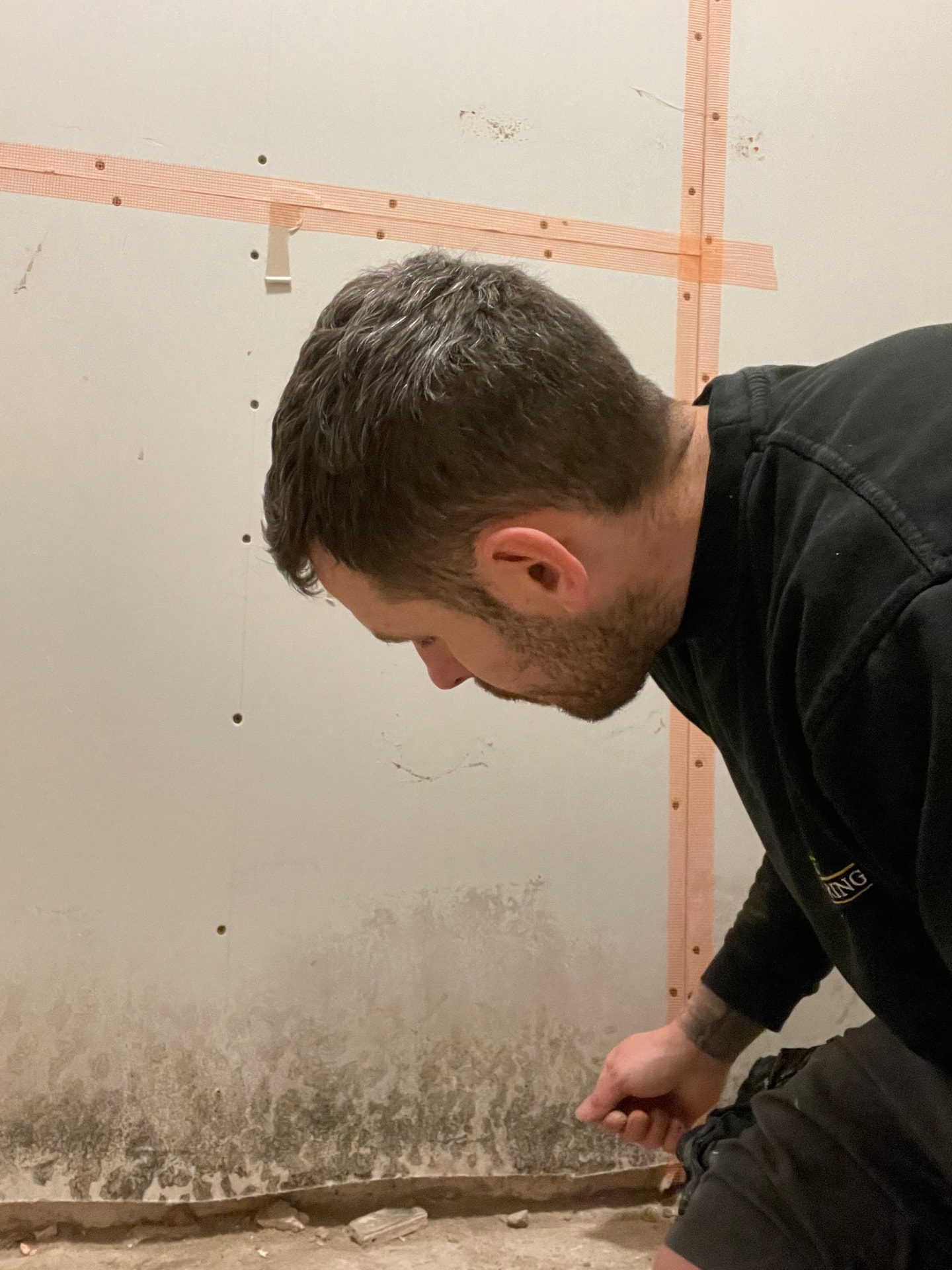
Cold walls & condensation
Cold Wall and Condensation Solutions in Bath
Assessment and suitable plastering or internal insulation options for cold wall surfaces, recurring condensation and mould-prone areas in Bath homes.
What are you seeing?
Cold Wall and Condensation Assessment
- Black spotting in the corners of external walls or around windows
- Mould on the back of wardrobes and sofas pushed against a wall
- Windows running with water first thing in the morning
- A musty smell in one particular room
- Wallpaper lifting or paint flaking on one wall only
- One room that never gets properly warm however long the heating runs
What could be causing it?
Common Causes of Condensation and Mould
More than one can be involved at once, which is why we look before recommending any work.
A cold wall surface
Solid uninsulated walls, bays, chimney breasts and north-facing rooms can leave the internal surface much colder than the room air, especially in older Bath properties.
Ventilation and moisture load
Cooking, showers and drying washing indoors put water into the air. Blocked or missing extractors and sealed windows leave it with nowhere to go.
Thermal bridging and detailing
Reveals, lintels, floor junctions and thin sections of wall can be colder than the wall around them, which is often where mould shows up first.
Water ingress or a leak
Leaking gutters, failed pointing or render, roof defects and plumbing leaks all need ruling out before anything is covered up.
An unsuitable finish for the wall
A dense, impermeable finish on an older solid wall isn't always appropriate for how that wall was built to behave.
How the room is used
Heating patterns and furniture pushed tight against an external wall can both play a part.
Where the heat goes
Heat Loss Through Uninsulated Walls
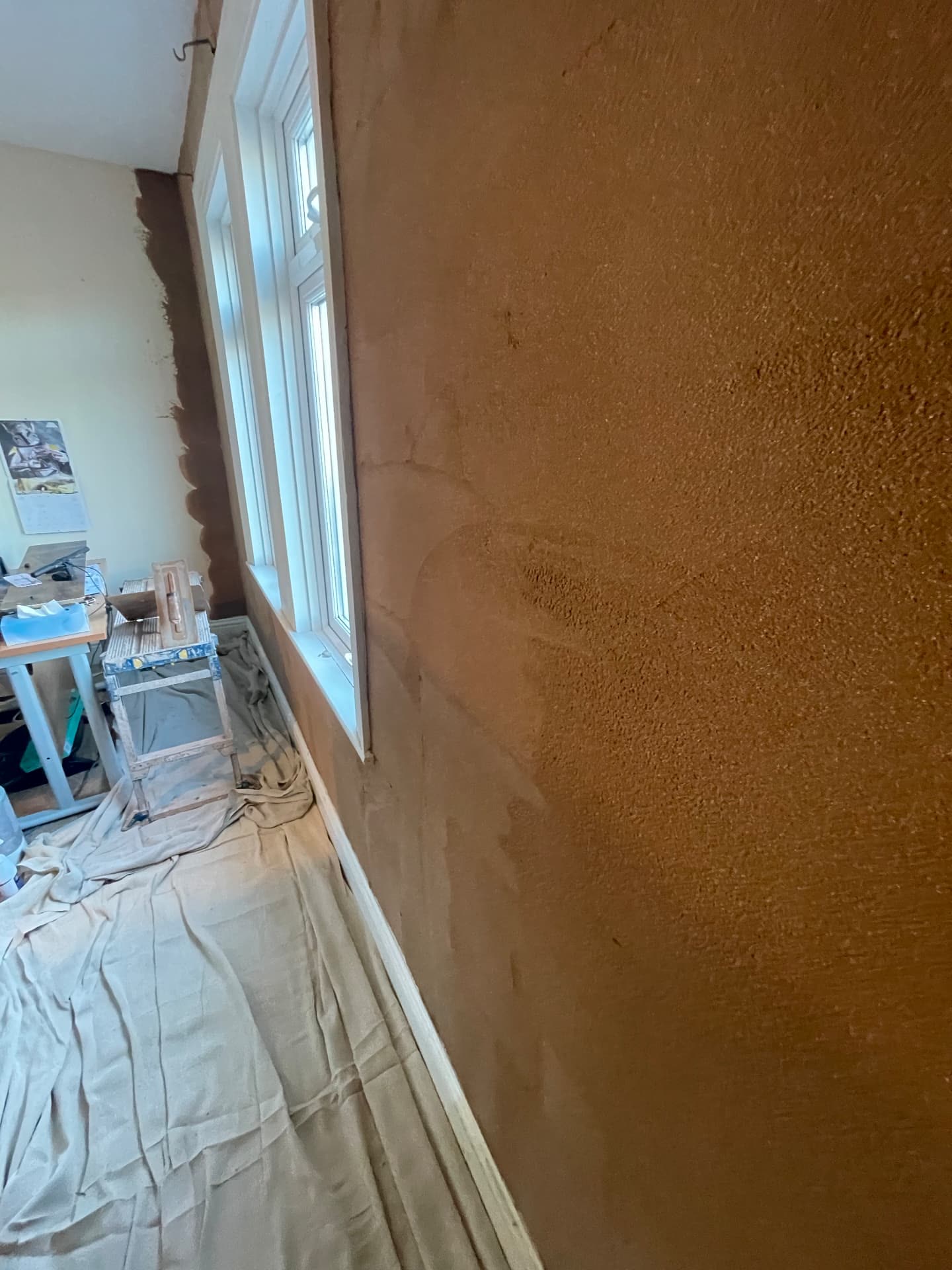
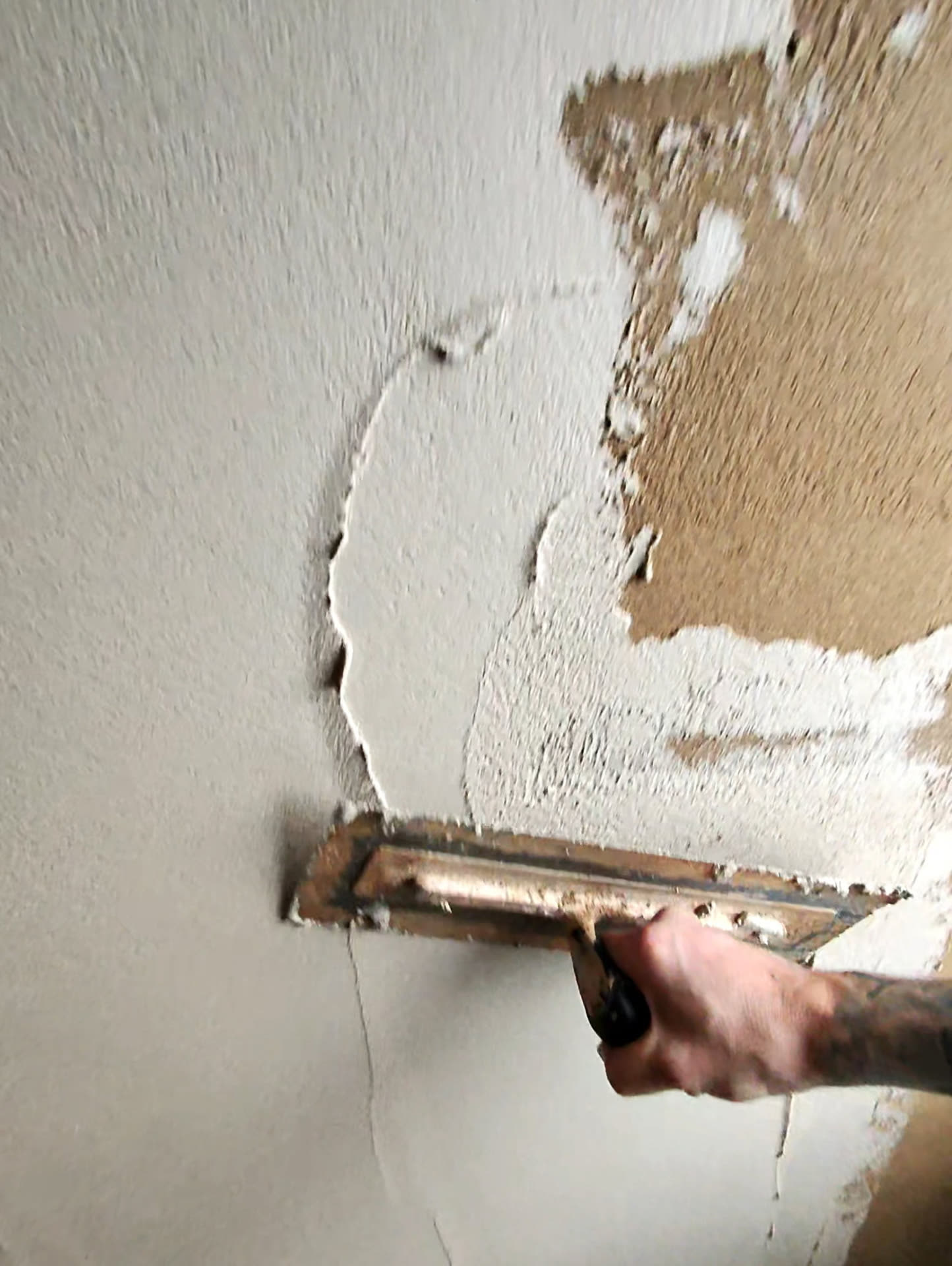
A general illustration of where heat typically escapes from a home, alongside two photographs of DSB insulating and finishing a cold internal wall in Bath. Every house is different — the only way to know what's happening in yours is to look at the walls.

How DSB approaches it
Cold Wall Inspection and Suitable Solutions
We start by ruling out a water source, then look at the wall, how the room is heated and how it's ventilated. Depending on what we find that might mean internal wall insulation, a thin cork system, a breathable lime finish, a plaster repair — or sometimes another trade first.
Insulating the inside face makes the surface warmer than the bare wall was, which reduces the conditions condensation needs. Nobody can honestly guarantee mould will never return; heating, ventilation and how the room is used still matter.
Solution paths
Insulation, Breathable Plaster and Repair Options
A cold wall or bay
Insulated board or a thin cork system, plastered ready to decorate. See internal wall insulation and cork insulation.
An old solid wall needing to breathe
A lime or otherwise breathable finish suited to how the wall was built, rather than sealing it in. See our plastering services.
Damaged or blown plaster
Plaster affected by past moisture is stripped back and made good properly. See plaster repairs.
A genuine leak or water source
If we find evidence of an active leak, we'll say so and point you to the right trade before any plastering or insulation work goes ahead.
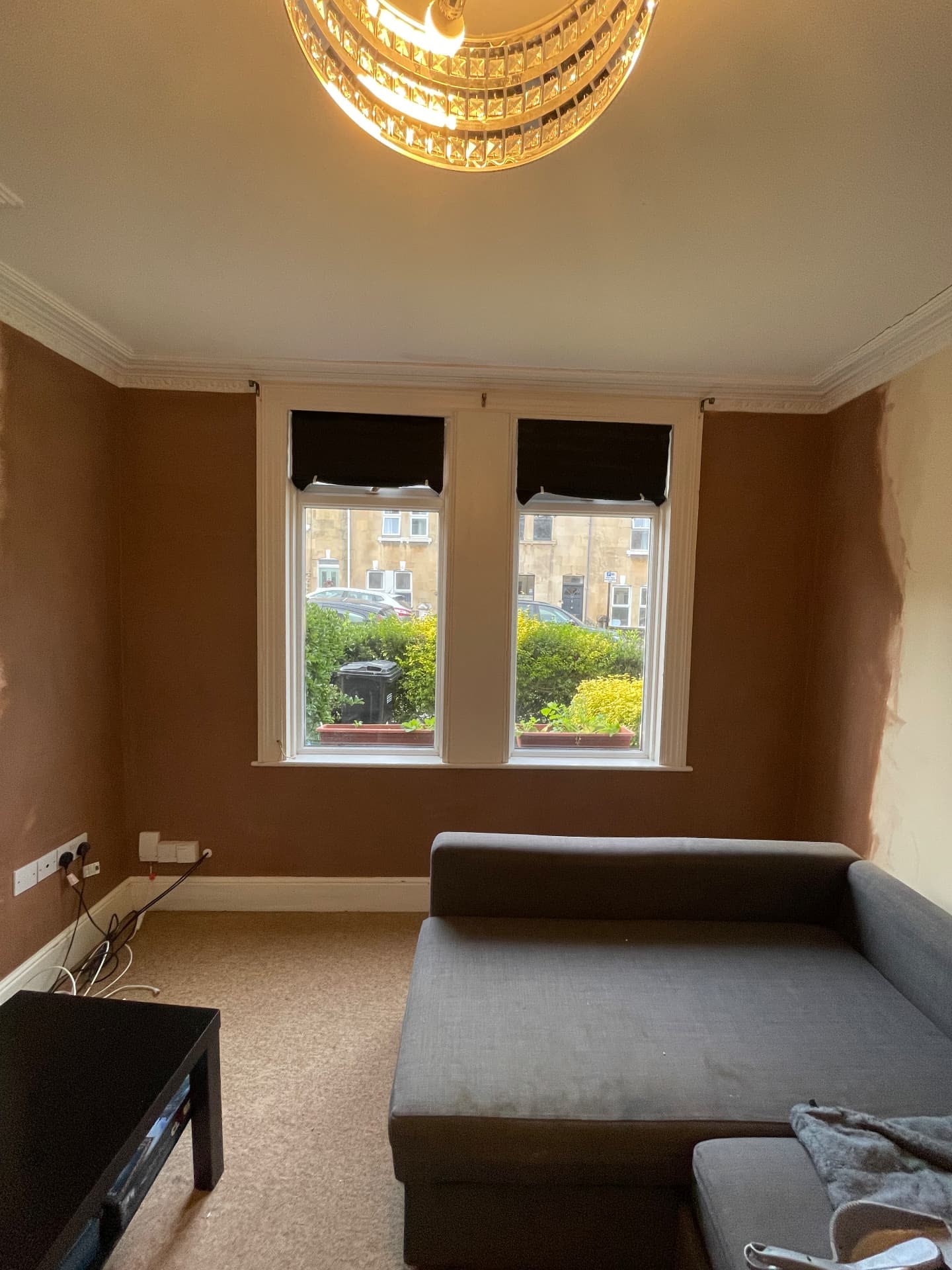
A real Bath job — AeroCork proof
AeroCork Wall Insulation and Plastering in Bath
The walls in this Bath home felt cold to the touch and mould was developing through the winter. We prepared them, applied AeroCork internal insulation and plastered over the top to a smooth finish, leaving the room ready to decorate.
Questions
Damp, condensation and mould questions
Is black mould condensation or damp?+
It can be either. Mould in corners and behind furniture is often surface condensation forming on a cold wall, but it isn't a diagnosis anyone can make from a description alone — the wall has to be looked at.
Will anti-mould paint fix it?+
It may hide it for a while, but if the surface is still cold the condensation can carry on forming behind the paint. Dealing with the cold surface and the moisture in the air is what changes the conditions.
Do I need better ventilation as well?+
Often yes. Insulation addresses the cold surface; ventilation removes the moisture. We'll point out simple things like extractor fans and trickle vents while we're there.
Can you just plaster over the mould?+
We won't. Plastering over the top leaves the cause in place and the same patch tends to come back.
What if it turns out not to be condensation?+
Then we'll tell you, and say which trade you actually need — a roofer, a plumber or a damp specialist.
Related services
- Bay window insulation in Bath
Cold bays, damp reveals and rooms that never warm up.
- Insulated plasterboard in Bath
PIR-backed board for cold external walls with depth to spare.
Request a quote
Arrange a Cold Wall Assessment
Send photos of the wall and the room through the quote form with your postcode and we'll tell you what we'd want to check.