
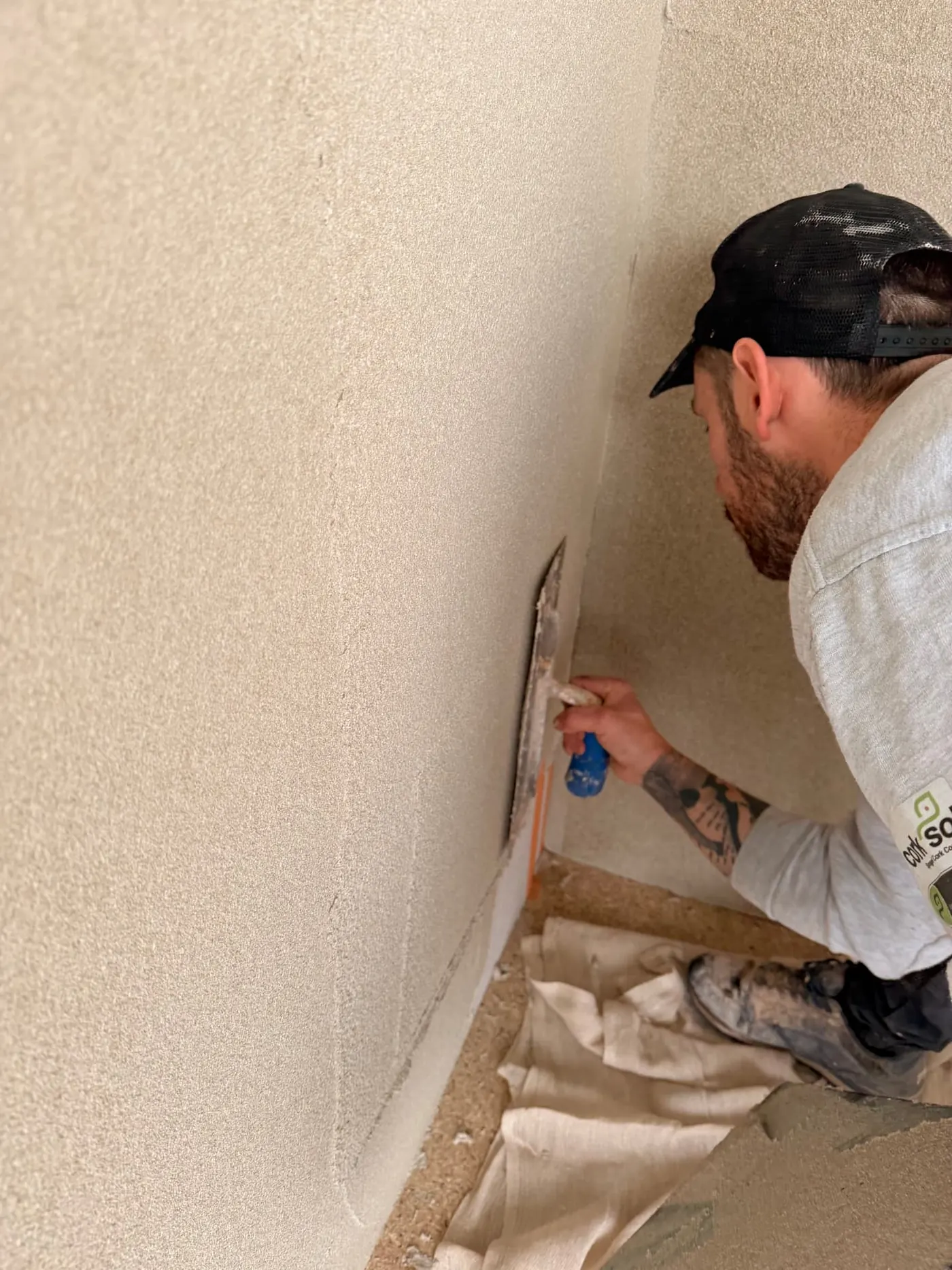
Internal cork insulation
How AeroCork Insulation Helps Cold Walls in Bath Homes
A thin, breathable cork plaster applied to cold internal walls and finished smooth, ready to decorate.
Written by Daniel Bunce, TIWI Platinum Certified AeroCork Installer and owner of DSB Plastering & Wall Insulation.
If an outside-facing wall in your Bath home feels cold to the touch, the room takes ages to warm up or black mould keeps returning in the same corner, the wall surface may simply be too cold.
AeroCork is a thin internal insulating cork plaster. It is applied directly to suitable prepared walls, creating a seamless thermal layer around corners, window reveals and other awkward details. By improving the internal surface temperature of the treated wall, it helps create a warmer, more comfortable room and reduces the cold surface conditions that encourage condensation.
DSB Plastering & Wall Insulation installs AeroCork in Bath and the surrounding areas. We assess the wall first, prepare it properly, apply the cork system and finish it with a smooth plastered surface ready for decoration.
Free, no-pressure assessment
Cold wall in your home?
Send us photographs of the affected wall, a short description and your postcode first. We will give you initial guidance and arrange a survey if one is required.
What is AeroCork insulation?
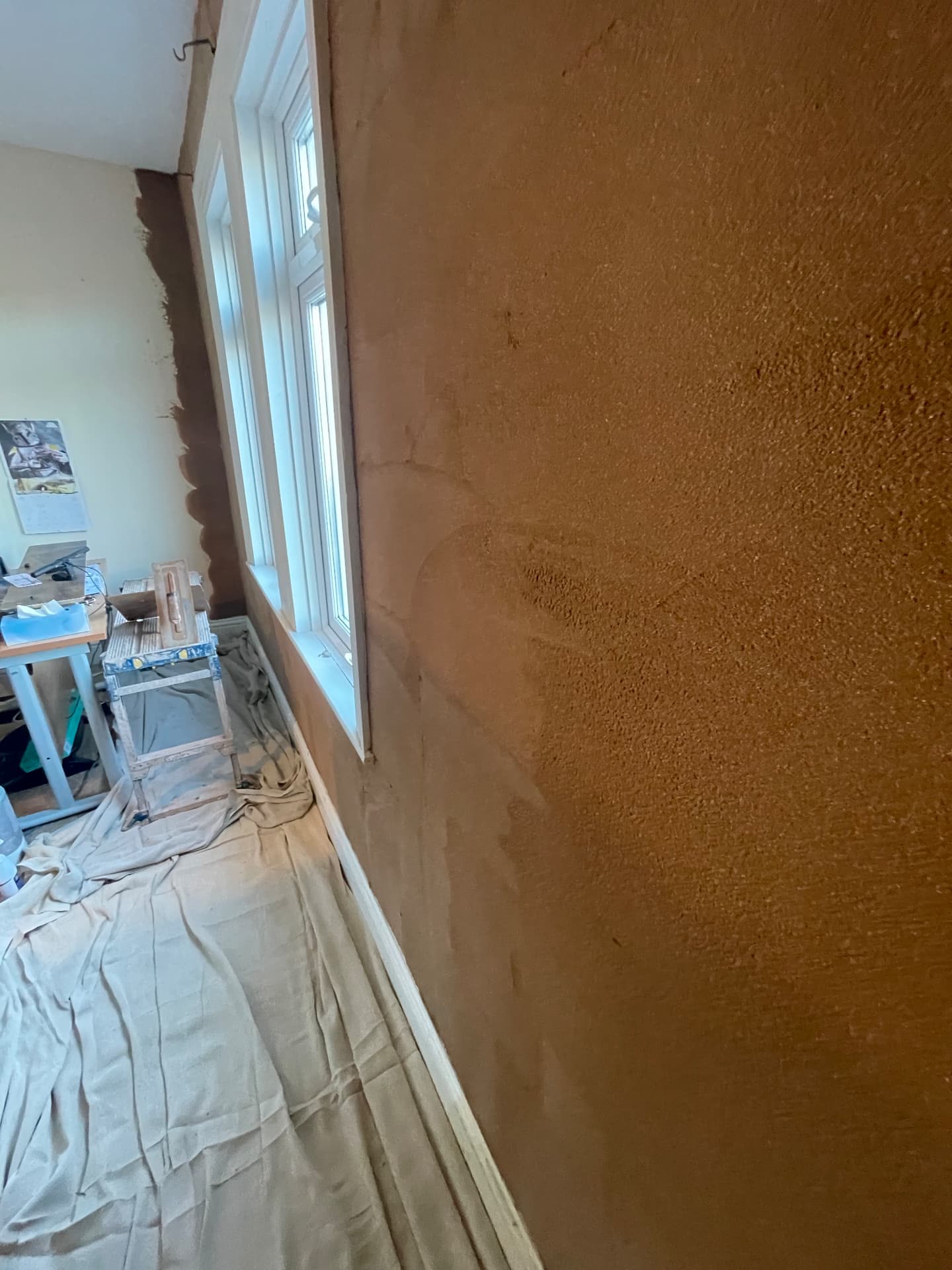
AeroCork is an internal plaster containing natural cork granules. Rather than being fixed in sheets, it follows the wall and forms a continuous coating. This makes it especially useful around bay windows, reveals, corners, chimney breasts and uneven solid walls where cold bridging can be difficult to treat neatly.
AeroCork has a declared thermal conductivity (lambda) of 0.04 W/mK — manufacturer technical information rather than a guaranteed result for every property. It is applied as a thin, continuous multi-coat system, commonly using two trowel-applied coats to build approximately 3–6 mm before the compatible plaster finish. The exact build-up depends on the wall, its condition and the agreed installation specification.
That slim build-up suits smaller rooms and older Bath homes where room proportions matter. For installation details and quotation information, visit our AeroCork insulation service in Bath page, or see how it went on a real DSB cork insulation job.
How cold walls lose heat in older Bath homes
Most older Bath properties were built with solid stone or solid brick walls. There is no cavity and no insulation layer, so the wall is a single continuous path between the heated room and the outside air. When it is cold and wet outside, that wall stays cold, and heat from the room moves steadily through it.
Heat is lost through every part of a house — the roof, the windows, the floor and draughts around openings — but the external walls are usually the single largest surface in contact with the outside. The illustration below is a general industry diagram of where heat typically escapes, not a measurement of your home. Every property is different, and only a survey can tell you what is happening in yours.

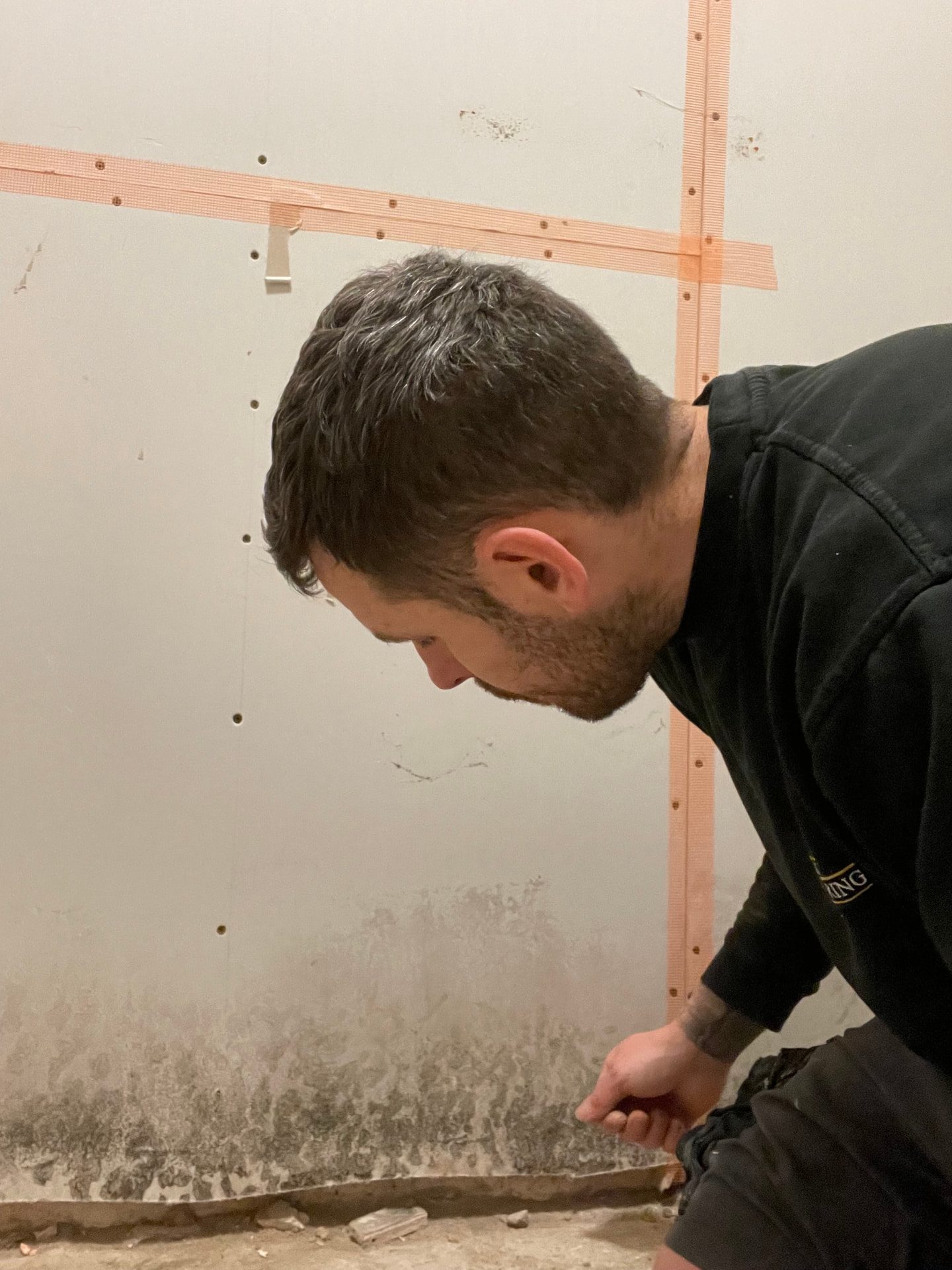
What homeowners actually notice in an uninsulated older house is fairly consistent:
- Outside-facing walls that feel cold to the touch even when the heating has been on
- Rooms that take a long time to warm up and cool down quickly once the heating goes off
- A cold, draughty feeling when sitting near an external wall or bay window
- Condensation forming on the coldest surfaces, often in corners and behind furniture
- Black-spot mould returning in the same places each winter after being wiped away
- Peeling paint, musty smells or damp-feeling plaster on the coldest walls
Corners, window reveals, bays and chimney breasts are usually the coldest spots because heat escapes through more than one direction at those points. That is why mould so often appears in exactly the same corner year after year, and why treating the whole wall surface — including the reveals — matters more than patching one patch of plaster.
Cold walls, condensation and mould
Warm indoor air carries moisture from cooking, washing, drying clothes and breathing. When that air meets a sufficiently cold wall, the moisture can condense on the surface, and repeated wetting creates the conditions in which mould can grow.
AeroCork raises the temperature of the treated internal wall surface, and a warmer surface can reduce the conditions that encourage surface condensation. It is not a guaranteed cure for every mould or damp problem. Ventilation, humidity control and sensible background heating still matter — extractor fans should be used, trickle vents left clear and rooms kept reasonably warm. Leaks, penetrating damp, failed pointing, defective gutters and other building defects must be resolved before an internal finish is installed, which is why DSB never simply covers a damp-looking wall. There is more on this on our cold walls and condensation page.
Where AeroCork works particularly well
AeroCork may be worth considering for:
- Cold solid external walls in older Bath properties
- Window reveals, bays and other areas affected by thermal bridging
- Bedrooms and living rooms that feel uncomfortable despite the heating being on
- Walls with recurring surface condensation or black-spot mould
- Uneven walls where a seamless trowel-applied system is useful
- Rooms where losing several centimetres to insulation boards would be difficult
- Properties that benefit from a vapour-permeable internal finish
Because it is trowel-applied, AeroCork follows uneven backgrounds and detailed areas to create a continuous layer. This makes it particularly well suited to targeted room upgrades and hard-to-treat cold walls, alongside the other internal wall insulation work we carry out.
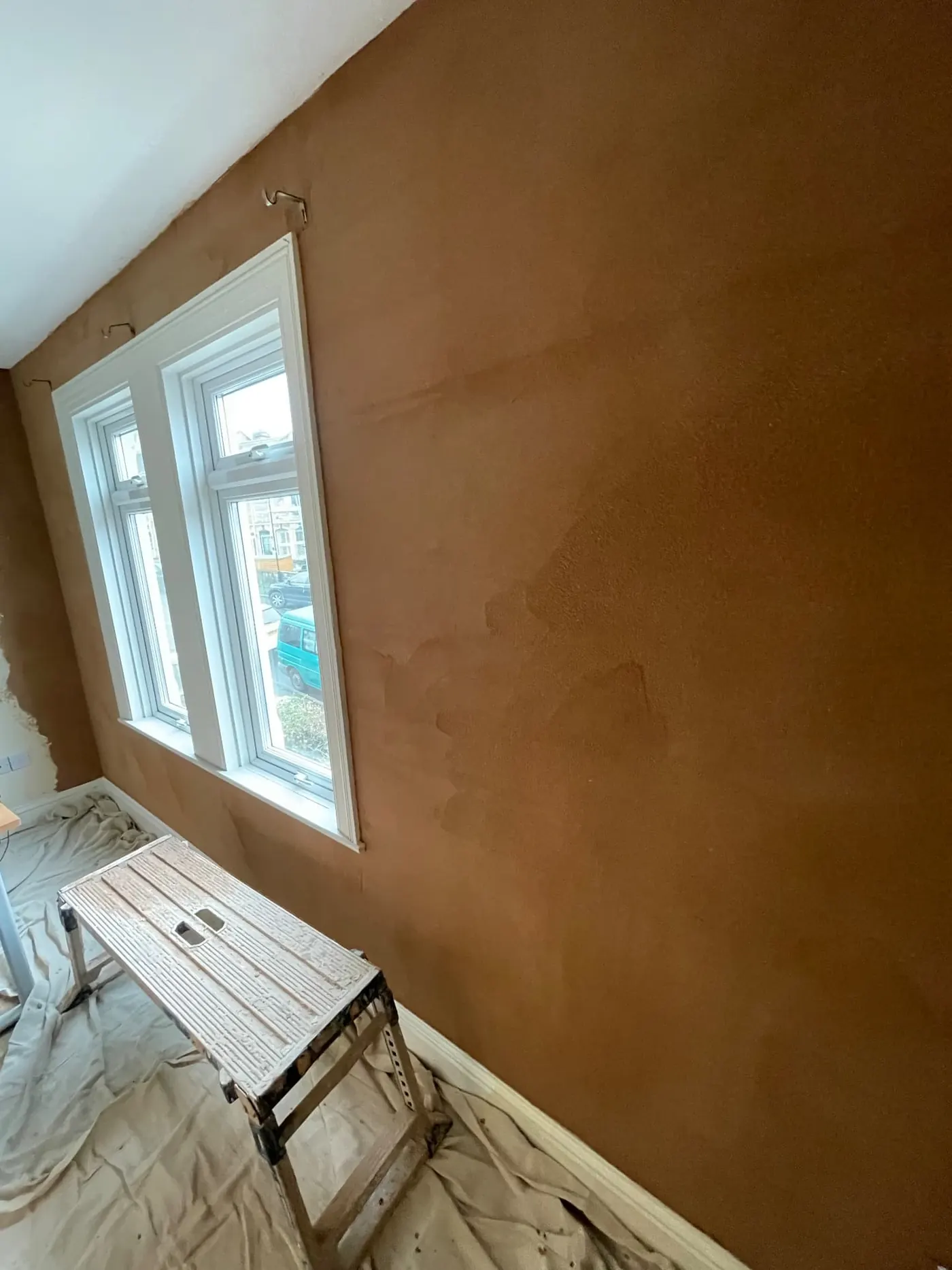
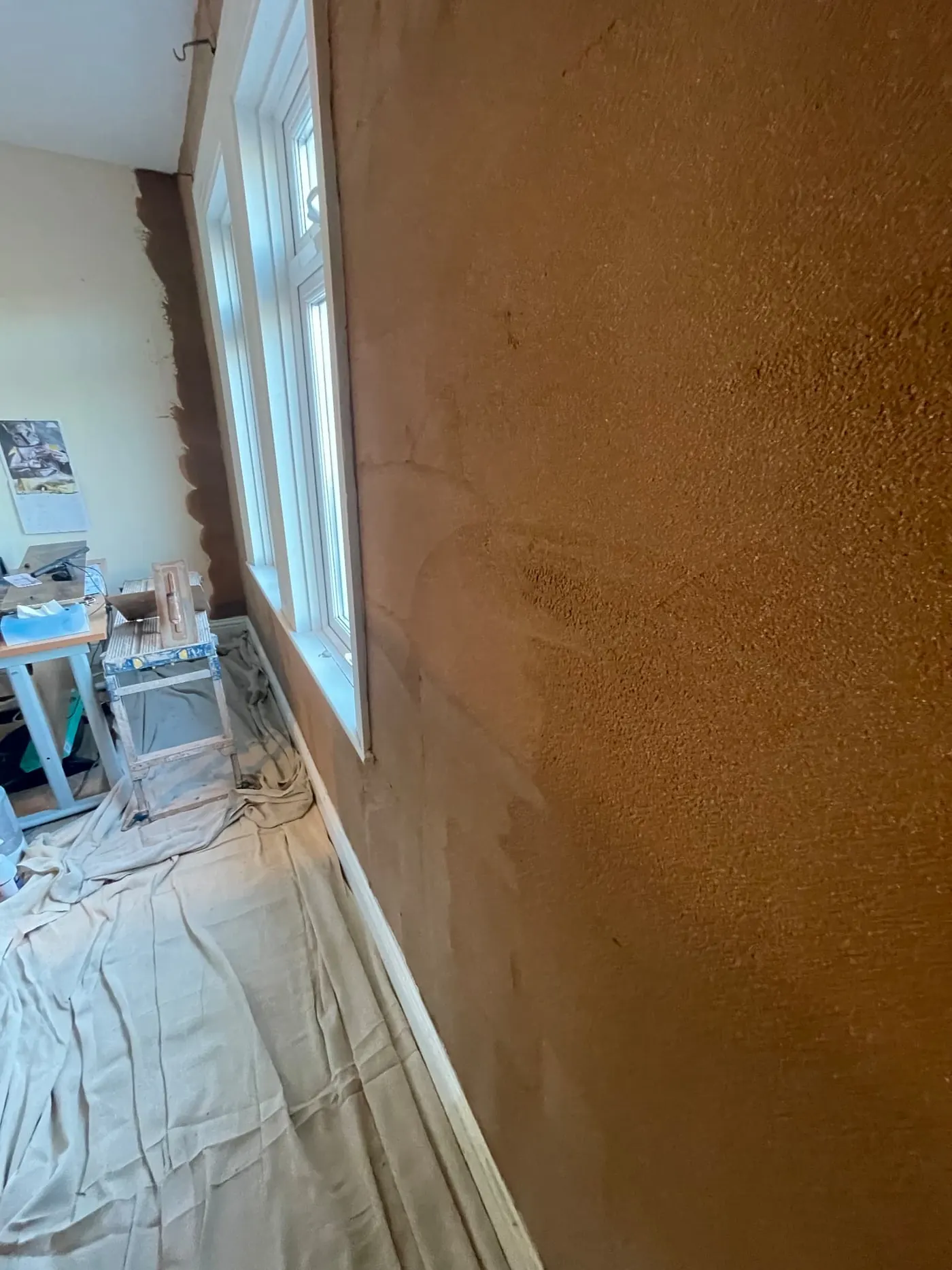
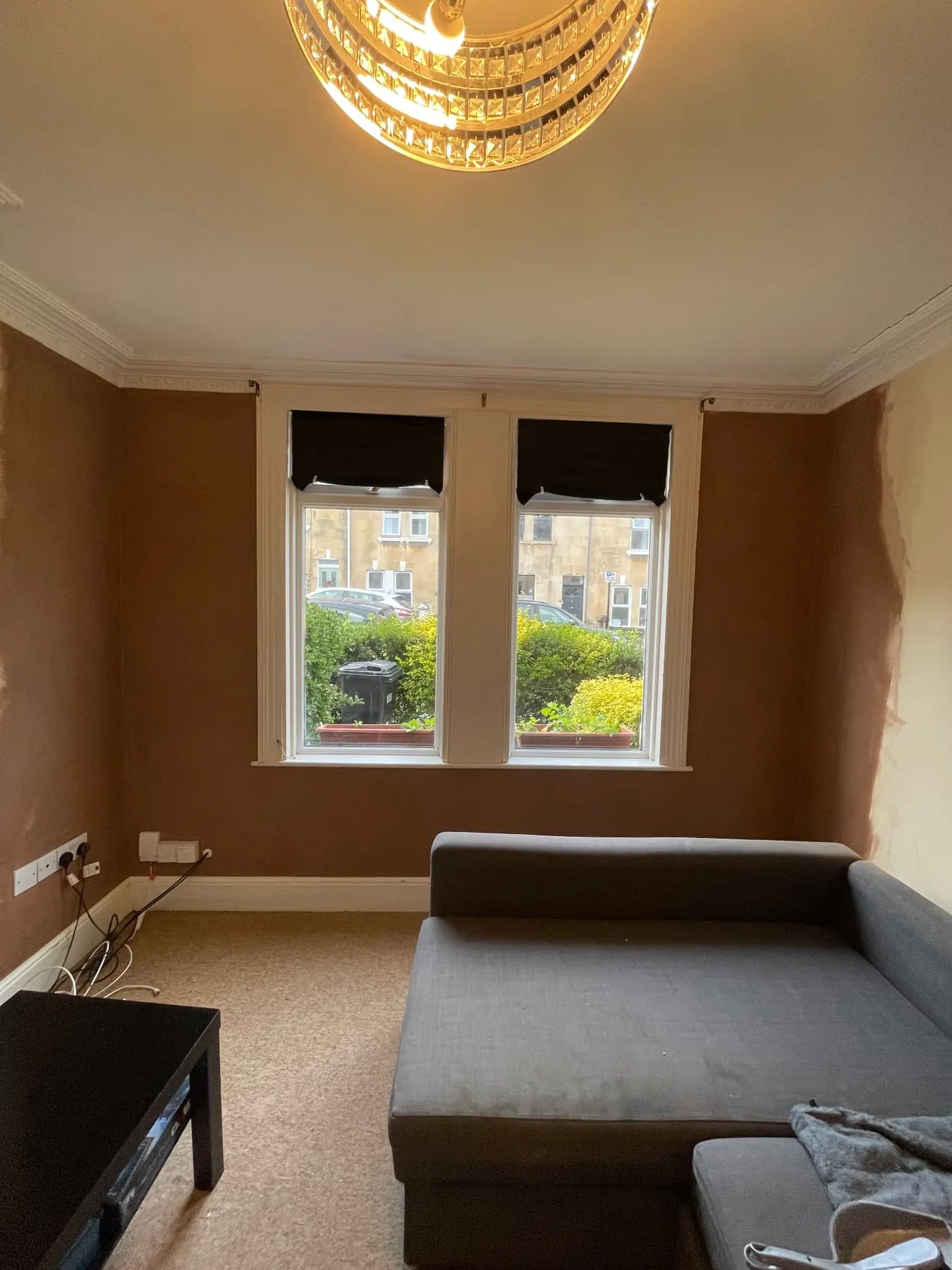
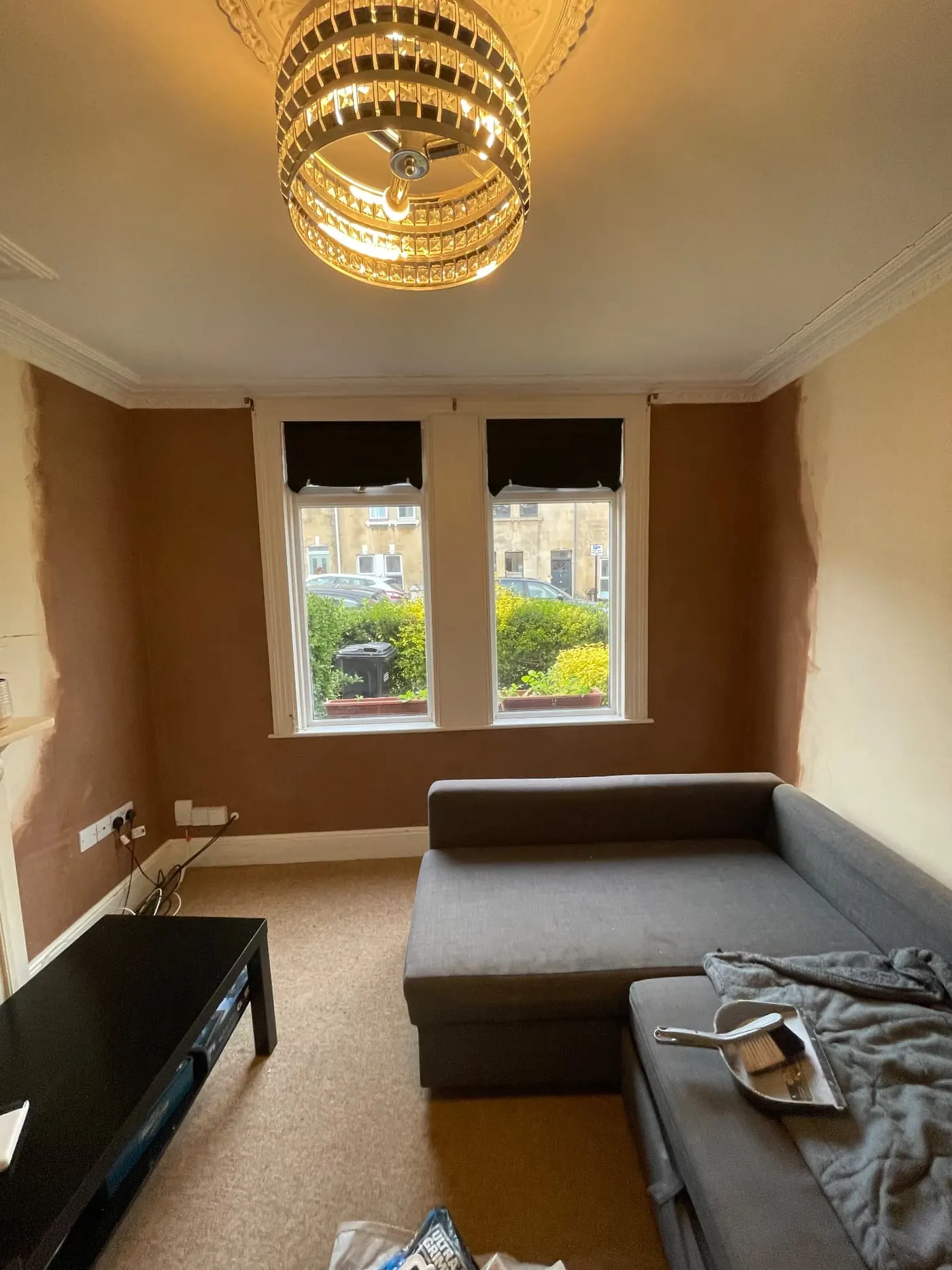
A recent internal AeroCork installation
On this project, the external walls were cold and the customer wanted a warmer, smoother internal finish without constructing a bulky new wall.
After protecting the room, we prepared the background so the new system could bond correctly. AeroCork was then applied in two trowel-applied coats, carried continuously across the wall and into the window details, before the compatible smooth plaster finish left the room ready for decoration — a slim build-up with the vulnerable cold areas around the window properly treated.
The process
How DSB installs AeroCork
- 01Survey and diagnosisWe inspect the wall, discuss the symptoms and check whether AeroCork is appropriate. A wall suffering from a leak or another building defect needs the cause resolved — not merely hidden.
- 02Protection and preparationFloors, windows and adjoining surfaces are protected. Loose or unsuitable material is removed and the background is prepared for reliable adhesion. The precise preparation depends on the existing wall.
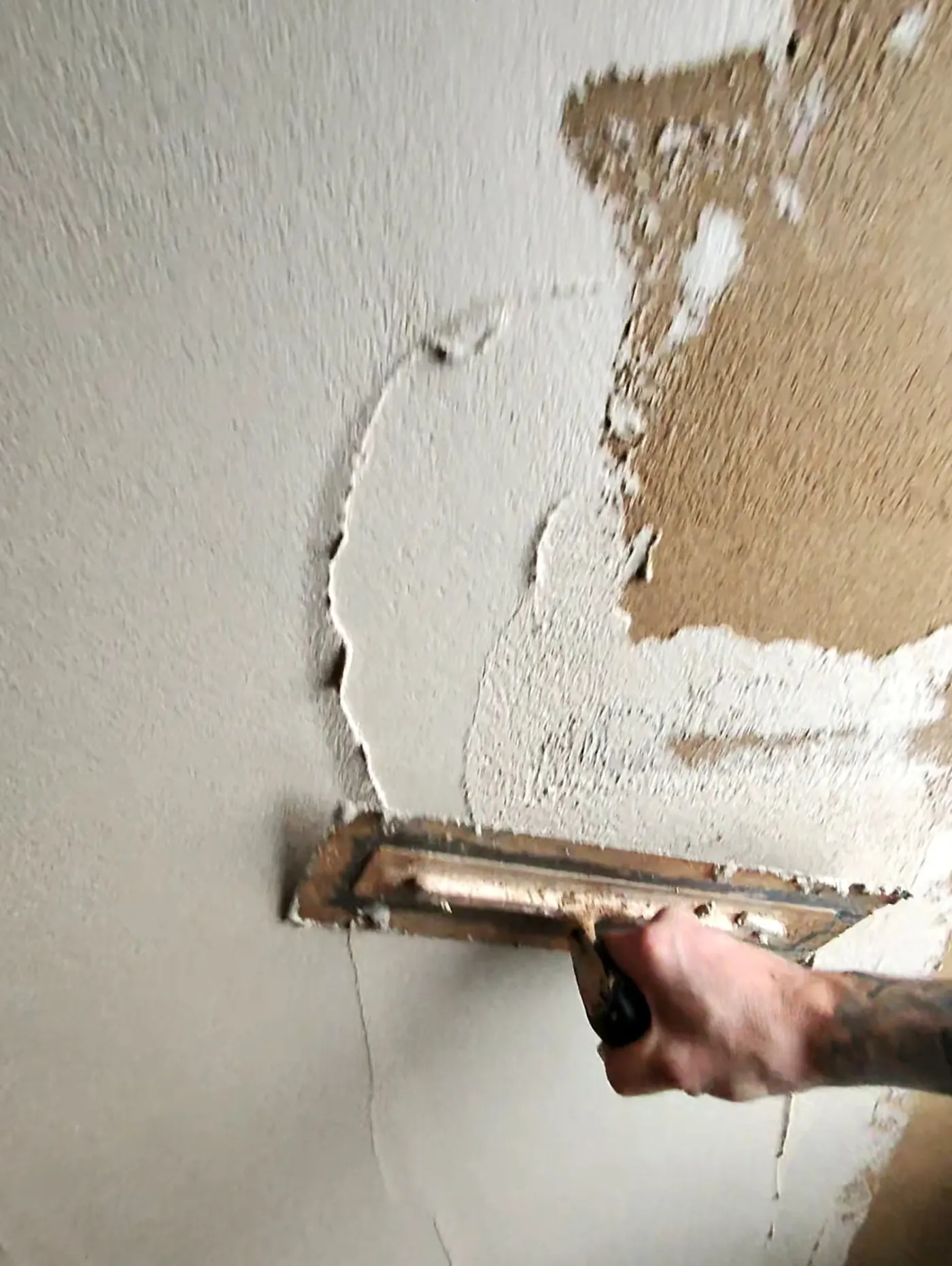
- 03AeroCork applicationThe cork plaster is mixed and trowel-applied in a consistent, continuous layer. Care at junctions, corners and reveals is important because these are common locations for cold bridging.
- 04Compatible finishing coatAfter the cork layer has set, the specified finishing system is applied to create the smooth appearance customers expect from a professionally plastered room.
- 05Drying, decoration and aftercareWe explain drying and decoration requirements and give practical advice about heating and ventilation. The room should be allowed to dry fully before it is painted with a suitable finish.
The benefits
The benefits of AeroCork for your home
Warmer wall surfaces
AeroCork adds a thermal layer to cold external-facing walls. Improving the wall-surface temperature can make the room feel more comfortable and reduce the cold-radiating sensation often noticed beside an uninsulated solid wall.
Helps control condensation and mould conditions
Cold surfaces are a common location for condensation. By reducing cold spots, AeroCork helps address one of the main conditions that allows recurring black-spot mould to develop.
Thin and space-saving
Applied at only a few millimetres per coat, the system improves the treated surface without noticeably reducing the size of the room. This is valuable around window reveals, bay windows and compact bedrooms.
Breathable
The vapour-permeable cork plaster allows water vapour to pass through the system. This makes it particularly attractive for many traditional and solid-wall homes when used as part of a correctly specified wall build-up.
Seamless around awkward details
The trowel-applied material follows corners, curves, uneven walls and window details. Careful continuous coverage helps minimise untreated cold spots around the areas that often need the most attention.
A smooth, familiar finish
The installed cork layer is completed with a compatible plaster finish. Once decorated, the wall looks like a normal smooth plastered wall while the insulating cork remains beneath the surface.
Natural cork content
Cork is a renewable natural material harvested from the bark of cork oak trees. The bark regenerates, allowing it to be harvested again without felling the tree.
What affects the cost of AeroCork insulation?
Every installation is different, so a meaningful quotation depends on:
- The total wall area
- The condition and type of the existing background
- The number of reveals, corners and other details
- Access and protection requirements
- Whether defective material must first be removed
- The selected finish and decoration requirements
Sending photos and your postcode lets us give useful initial guidance. We can then arrange a survey where needed and provide a written quotation for the agreed work.
Get a straightforward assessment
Get an AeroCork quote from a local specialist
Send photographs of the affected wall and your postcode first. We will come back with initial guidance and arrange a survey if one is required.
Or call 07437 217926Why DSB
Why choose DSB for internal cork insulation?
DSB combines specialist cork-system training with years of hands-on plastering experience. That matters because a good result depends on far more than buying a bag of material: the wall must be assessed, prepared, detailed and finished correctly.
- TIWI Platinum Certified Installer
- Established Bath-area plastering and wall-insulation specialist
- One contractor for wall preparation, AeroCork installation and the plaster finish
- Careful assessment, preparation and detailing from an experienced local installer
Areas we cover
Where we install cork insulation
We install internal cork insulation in Bath and across nearby parts of Somerset and Wiltshire, including Warminster, Frome, Trowbridge, Bradford-on-Avon, Keynsham, Radstock, Midsomer Norton, Corsham, Chippenham, Devizes, Melksham, Wells, Shepton Mallet.
See all areas we coverQuestions
Frequently asked questions
Is AeroCork suitable for old solid-wall homes?+
It can be a useful option for many older solid-wall properties because it is thin, seamless and vapour permeable. The wall must still be inspected and any source of water ingress addressed before work begins.
How thick is AeroCork?+
It is applied as a thin, continuous multi-coat system, commonly using two trowel-applied coats to build approximately 3–6 mm before the compatible plaster finish. The exact build-up depends on the wall, its condition and the agreed installation specification.
Does AeroCork make a room warmer?+
It is designed to improve the thermal performance and internal surface temperature of the treated wall. Many customers are primarily seeking a wall that feels less cold and a more comfortable room. The actual improvement varies with the wall, coverage, thickness, heating and ventilation.
Is AeroCork the same as external spray cork?+
No. AeroCork is an internal insulating cork plaster that is normally covered with a compatible smooth finish. External spray-cork systems are weather-resistant exterior coatings with a different application and finish.
Can AeroCork be plastered smooth?+
Yes. Once correctly installed and set, it can form part of a compatible system finished to look like a conventional smooth plastered wall.
Can you apply it only to the problem wall?+
Often, yes. Treating the cold external-facing wall or a specific cold bridge can be practical, but the best extent of coverage should be decided after assessment. Junctions and untreated edges need careful consideration.
Do I need to leave the house while it is installed?+
Usually not. There will be normal preparation, working and drying disruption in the room, but most domestic projects do not require customers to leave the property.
How do I get a quote?+
Send DSB clear photos of the whole wall and affected areas, the property postcode, approximate dimensions and a brief description of condensation, mould or damp symptoms. We will advise on the next step.
Book a survey
Book an AeroCork survey in Bath
If you are tired of a room that never feels comfortable, do not keep painting over the same mould or cold patch. Let DSB assess the affected walls and show you how AeroCork could create warmer surfaces and a more comfortable room.
Send us photos of the affected wall, a short description and your postcode for an initial assessment.
Request an AeroCork Survey
Three quick steps — what you need, any photos, and how to reach you.
Related pages
- Internal wall insulation in Bath
Cold solid walls insulated internally and plastered ready to decorate.
- Cork insulation in Bath
Our AeroCork service page, with the systems we use and how we work.
- Cold walls and condensation
What causes cold surfaces, condensation and recurring black-spot mould.